
The Legacy of the Maharashtrian Thali: More than Just a Meal
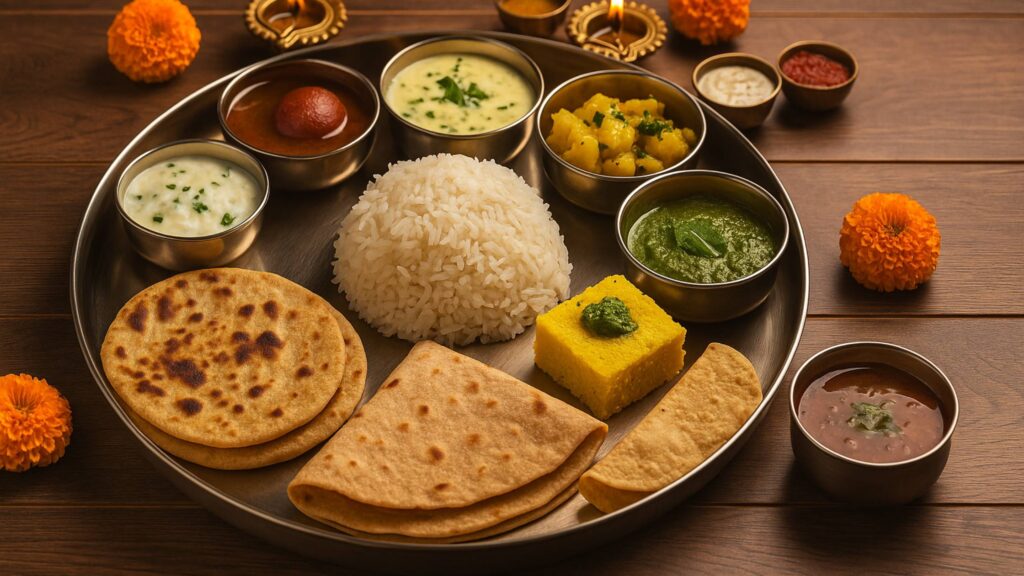
The Legacy of the Maharashtrian Thali: More than Just a Meal In Maharashtra, food has always been about more than merely filling the stomach. It is about the stories passed down in kitchens, the warmth of hospitality, and the unspoken bond between those who share a plate. Nowhere is this more beautifully captured than in the Maharashtrian Thali. A Maharashtrian thali is, in its truest sense a canvas of traditions, festivals, and everyday joys. Each portion on the plate carries a tale of geography and culture. From the earthy comfort of varan-bhaat (simple dal-rice) to the celebratory sweetness of puran poli, the thali mirrors the life of the people of this land. Every bite is grounded yet full of flavour. A Plate of Seasons and Celebrations The thali changes as the seasons do. In summer, aamras makes its way to the plate, cooling the body and celebrating the arrival of mangoes. During Ganesh Chaturthi, modaks sweeten the offering. Weddings see lavish spreads with multiple vegetables, farsan, pickles, and sweets—an abundant display of joy and togetherness. Each festival brings with it a new chapter in the story of the thali. The Philosophy of Balance What makes the Maharashtrian thali truly special is the balance it maintains. Spices are not just about heat; they are about harmony. A spoonful of tangy solkadhi cools the tongue after a spicy bhaaji. A crisp papad adds crunch to the softness of rice and curry. Even nutrition plays its role naturally – grains, pulses, vegetables, dairy, and sweets come together to nourish both body and soul. A Gesture of Love and Respect In Maharashtrian homes, offering a thali is an act of care. Guests are not just served; they are honoured. The host ensures the plate is never empty, a sign that love is endless and hospitality knows no bounds. In villages, it is common for neighbours to send across portions of their festive meals-extending the thali beyond the home, weaving bonds within the community. Beyond Food—A Shared Identity For Maharashtrians living far from home, the thali is often their strongest connection back to their roots. A bite of Jhunka-Bhakri or the first taste of Shrikhand can instantly bring back memories of grandparents’ kitchens, family gatherings, and festivals filled with laughter. It is food as identity, a reminder that traditions live on as long as they are cooked, shared, and savoured. The Maharashtrian thali is not just about what is on the plate—it is about what it represents. It is heritage served in stainless steel, a culture carried forward one meal at a time, and a reminder that food, at its heart, is always about people. Share On Recent Posts
How to Plan a Stress-Free Catered Event in Pune
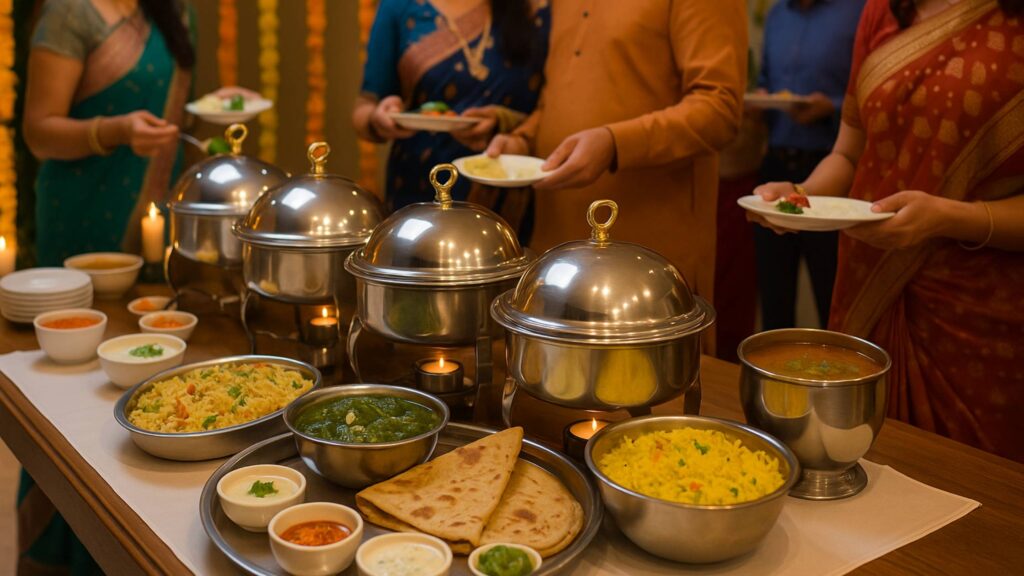
How to Plan a Stress-Free Catered Event in Pune We all host events for celebrating our small and large milestones. But planning an event should feel exciting, not overwhelming. Whether it’s a corporate gathering, a family function, or a wedding celebration, food often becomes the heart of the occasion. Guests remember how they were fed, and for hosts, the catering can either make the day smooth or stressful. The good news? With the right approach, hosting an event in Pune can be effortless and memorable. 1. Start with the Guest List Everything begins here. The number of guests determines the menu, portions, and style of catering. Are you inviting 50 people or 500? Corporate lunches often run smoother with compact menus, while weddings or milestone celebrations call for an elaborate spread. Having a clear headcount early helps your caterer plan without last-minute panic. 2. Choose the Right Catering Style In Pune, hosts typically choose between buffet, sit-down thalis, or a mix of live counters and plated meals. Buffet style works best for large gatherings where flexibility matters. Sit-down thali service offers a traditional and personal touch, especially at cultural or family functions. Hybrid setups with live counters (chaat, dosa, mocktails) add excitement to the event. The choice depends on your event’s mood – formal, festive, or casual. 3. Plan the Menu Around the Season A well-thought-out seasonal menu makes the event memorable and comfortable for guests. In Pune’s summers, cooling dishes like Aamras, Solkadhi, or buttermilk add freshness. Winters invite rich gravies, festive sweets, and hot snacks like Kothimbir Vadi or pakoras. Local caterers often suggest the best combinations because they know what works for both climate and culture. 4. Keep Logistics in Mind Food is not just about flavours, it’s also about flow. ‘How’ the food reaches the event matters. Venue layout, service counters, and staff coordination matter just as much. In smaller indoor venues, a thali service avoids crowding, while in open lawns, buffets and live counters keep people moving smoothly. Discussing these details early with your caterer saves stress on the event day. 5. Factor-in Dietary Preferences Every guest list today comes with variety and their own preferences—vegetarian, vegan, Jain, or even health-conscious eaters. A thoughtful menu that includes at least a few options for everyone ensures no guest feels left out. Pune, being a city with a cosmopolitan crowd, makes this especially important. 6. Work with Trusted Local Caterers Perhaps the biggest stress-buster is choosing the right partner. A reliable caterer doesn’t just provide food—they bring experience, planning, and solutions to unexpected hiccups. Local Pune caterers also bring in regional expertise, ensuring authentic Maharashtrian flavours alongside modern favourites. A Smooth Event, A Happy Host At the end of the day, catering is not just about serving meals, it’s about creating moments where the host can relax, and the guests feel cared for. With the right planning and the right team, your event in Pune can be remembered not for the stress of organizing, but for the joy of celebrating. Share On Recent Posts
How to Balance Nutrition in a Traditional Thali
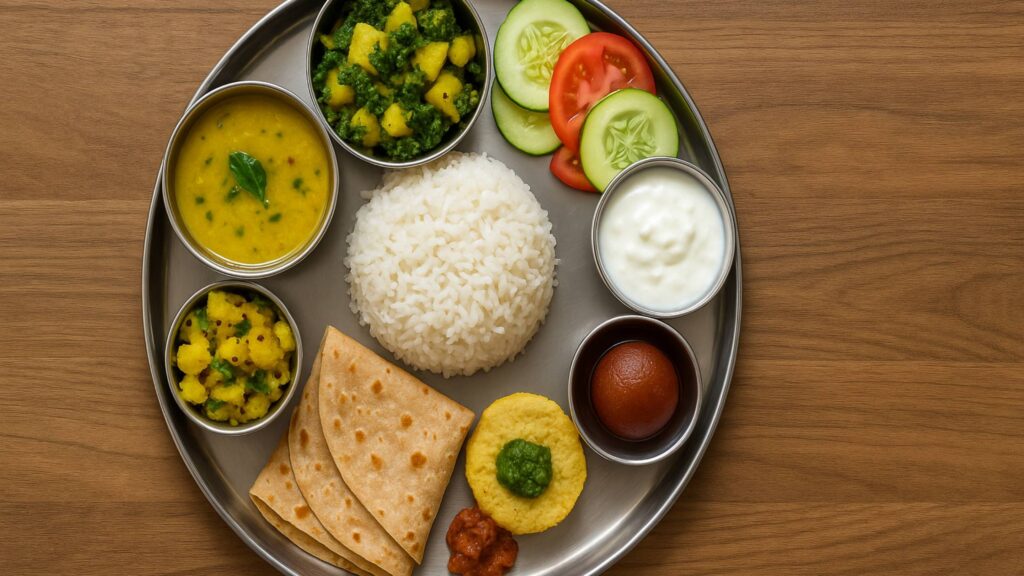
How to Balance Nutrition in a Traditional Thali A thali is more than just a feast for the senses. It’s a carefully balanced plate designed to nourish the body. While it may look like a spread of comfort food, the traditional Indian thali (and especially the Maharashtrian thali) hides centuries of wisdom about balance, variety, and health. The Science Behind the Thali Our ancestors didn’t need calorie charts or diet apps; They used simple logic. A thali typically includes: Grains: rice, bhakri, or chapati for energy. Pulses & legumes: varan, amti, usal for plant-based protein. Vegetables: seasonal sabzis that provide fiber, vitamins, and minerals. Dairy: dahi (curd) or buttermilk for probiotics and digestion. Pickles & chutneys: small portions that aid digestion and add flavor. Sweets: shrikhand, puran poli, or kheer to end on a satisfying note. Each element serves a purpose; not just in taste, but in keeping the body balanced. Portion is Key The beauty of a thali lies in its small, measured servings. Instead of one large dish, you get several small bowls. This naturally prevents overeating while still offering variety. The trick is to focus on balance: Half the plate with grains and vegetables. A quarter with protein-rich dals or pulses. A small portion for dairy and sweets. This way, the body gets both nutrition and satisfaction without excess. Seasonal Eating, the Natural Way Maharashtrian thalis change with the seasons, and that’s no accident. In summer, cooling dishes like aamras, taak (buttermilk), and solkadhi help beat the heat. Winter menus often include til-gul, hearty gravies, and fresh leafy greens that keep the body warm and nourished. Seasonal eating isn’t just tradition. It’s nature’s way of giving the body what it needs, when it needs it and our way of making sure we eat the right things in right time. Mindful Eating in a Modern World In today’s fast-paced lifestyle, thalis remind us of the importance of slowing down. Eating a variety of small dishes allows us to savour flavours, eat mindfully, and listen to our body’s hunger cues. Even for office-goers in Pune, a simple balanced thali can bring a touch of health and comfort into a busy day. A Thali as Everyday Nutrition While thalis shine during festivals and events, their real magic is in the everyday. A simple varan-bhaat with ghee, paired with a bhaaji and curd, is both humble and nutritionally complete. This daily rhythm of balanced meals is what has kept generations healthy and grounded. In the end, balancing nutrition in a thali is less about strict rules and more about respecting tradition. It’s about recognizing that health, taste, and culture can live together on a single plate. And that balance is what makes the thali timeless. Share On Recent Posts
A Day in the Life of Our Kitchen: From Prep to Plating
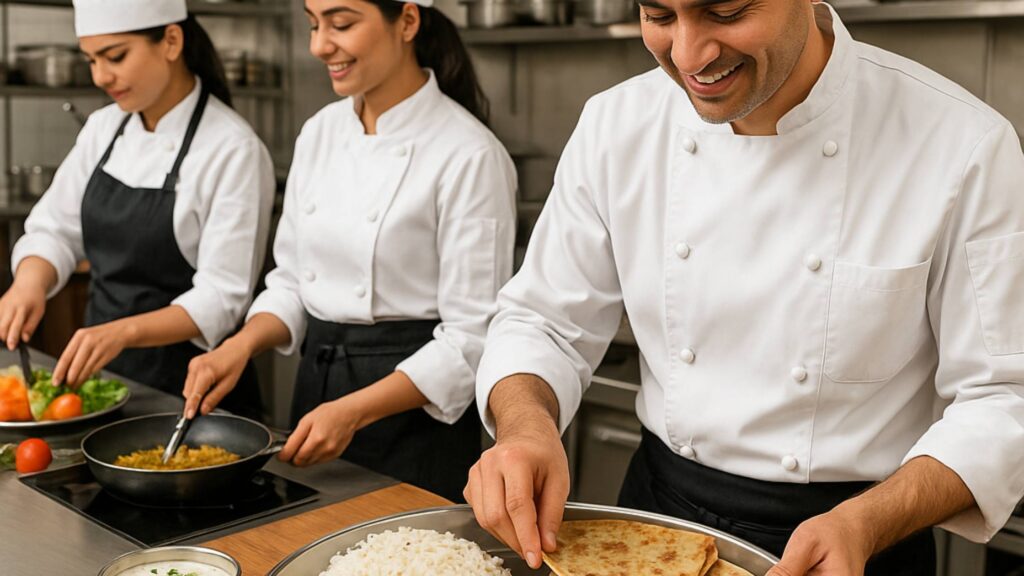
A Day in the Life of Our Kitchen: From Prep to Plating Behind every perfectly served thali lies a rhythm of work, care, and coordination that begins long before the guests arrive. At Thali Moments, our kitchen is more than just a space for cooking; it is where traditions meet teamwork, and where every event begins its journey. The Early Start Our day begins much before the city fully wakes. Fresh vegetables from Pune’s mandis arrive at dawn, brimming with colour and freshness. The team inspects every batch; for Marathi people, freshness is non-negotiable. From leafy greens for Pithla-Bhakri in winters to ripe mangoes for Aamras during the summers, sourcing sets the tone for the rest of the day. The Prep Rituals Once ingredients are sorted, the kitchen comes alive with chopping, grinding, and stirring. Spices are roasted and hand-ground, chutneys are freshly blended, and doughs are kneaded for Bhakris and Puran polis. There’s an old-world rhythm to this stage: “Recipes may be rooted in tradition, but they demand precision and consistency.” Cooking with Purpose By mid-morning, the bigger pots and pans take their place on the flames. Dals simmer, various Bhaajis take shape, and curries bubble to life. Every cook in our kitchen carries their speciality. One focuses on gravies, another on sweets, and someone else on finishing touches like tempering. It’s a team effort where timing matters as much as taste. The Quiet Checks Before the food ever reaches the guests, it passes through quiet checks. The head chef tastes every dish, adjusting spices, salt, or sweetness until it feels just right. It’s not about recipes alone, but about instinct. Knowing when the Amti has enough tang or if the Shrikhand feels too thick comes with experience and instinct. These small refinements are what make the meal memorable. From Kitchen to Plate Closer to service time, the kitchen shifts gears. Thalis are laid out in perfect order—Rice, Dals, Bhajis, Chutneys, Papads, pickles, and sweets all finding their place. At events, the team works in sync, ensuring no plate leaves half-filled and every guest feels cared for. Whether it’s a buffet line or a sit-down thali service, presentation is given the same respect as taste. More Than Just Food For us, it’s not only about feeding people—it’s about carrying forward the pride of Maharashtrian hospitality. Each meal is an offering of culture, prepared with the belief that food should bring joy, comfort, and connection. When a guest leaves an event remembering the taste of puran poli or the spicy coolness of Solkadhi, we know the kitchen has done its job well. What begins as a morning of chopping and simmering ends as an experience shared across plates and conversations. Share On Recent Posts