One of the biggest questions people ask while planning an event is surprisingly simple:
“Will the food be enough?”
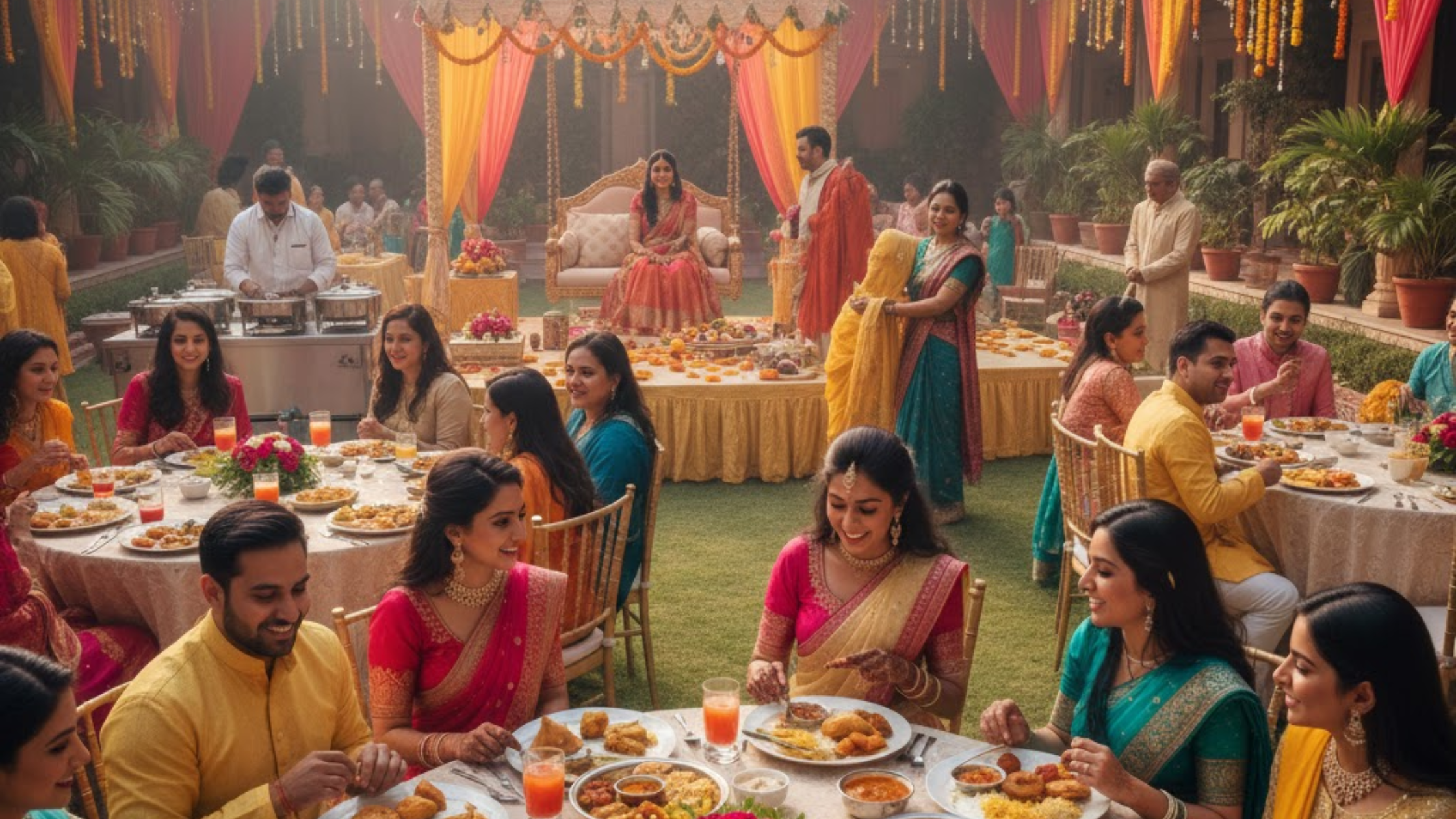
Whether it’s a wedding, birthday celebration, housewarming, corporate event, or anniversary, no host wants to run out of food. At the same time, preparing far more than needed can lead to unnecessary waste and higher costs.
Finding the right balance isn’t about guesswork. Experienced caterers consider several factors before deciding how much food to prepare.
Here’s what goes into planning the perfect quantity for your event.
It Starts with the Guest List
The number of invited guests is only the starting point.
The more important question is:
How many people are actually expected to attend?
For weddings, attendance is often between 75% and 90% of invitations, depending on the venue and location.
For corporate events, RSVP numbers are usually more accurate.
Family functions often have a higher attendance rate because guests are closely connected to the hosts.
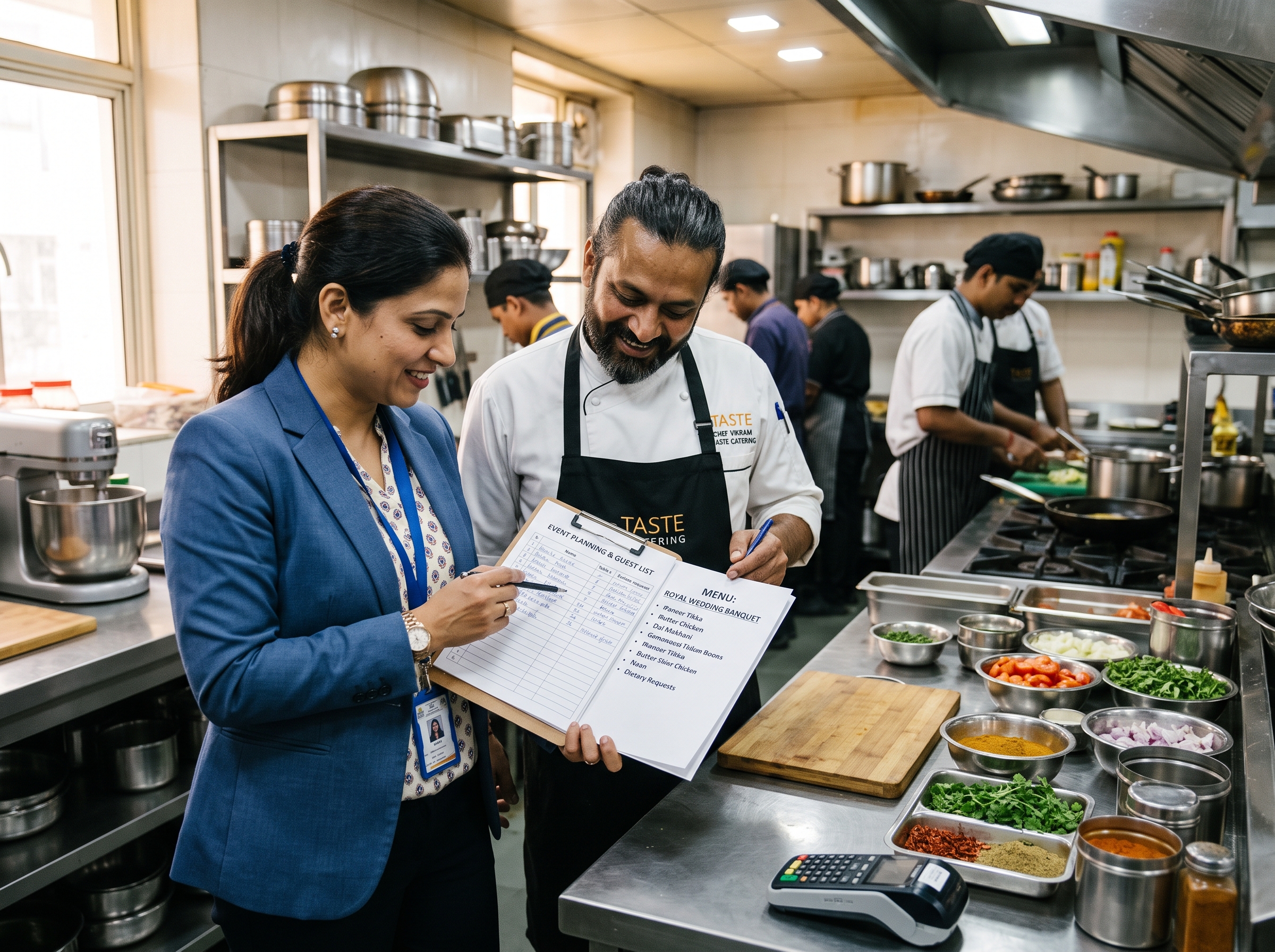
An experienced caterer helps estimate realistic attendance instead of planning only around invitations.
The Type of Event Makes a Difference
A meal served at 1:00 PM is very different from one served at 5:00 PM.
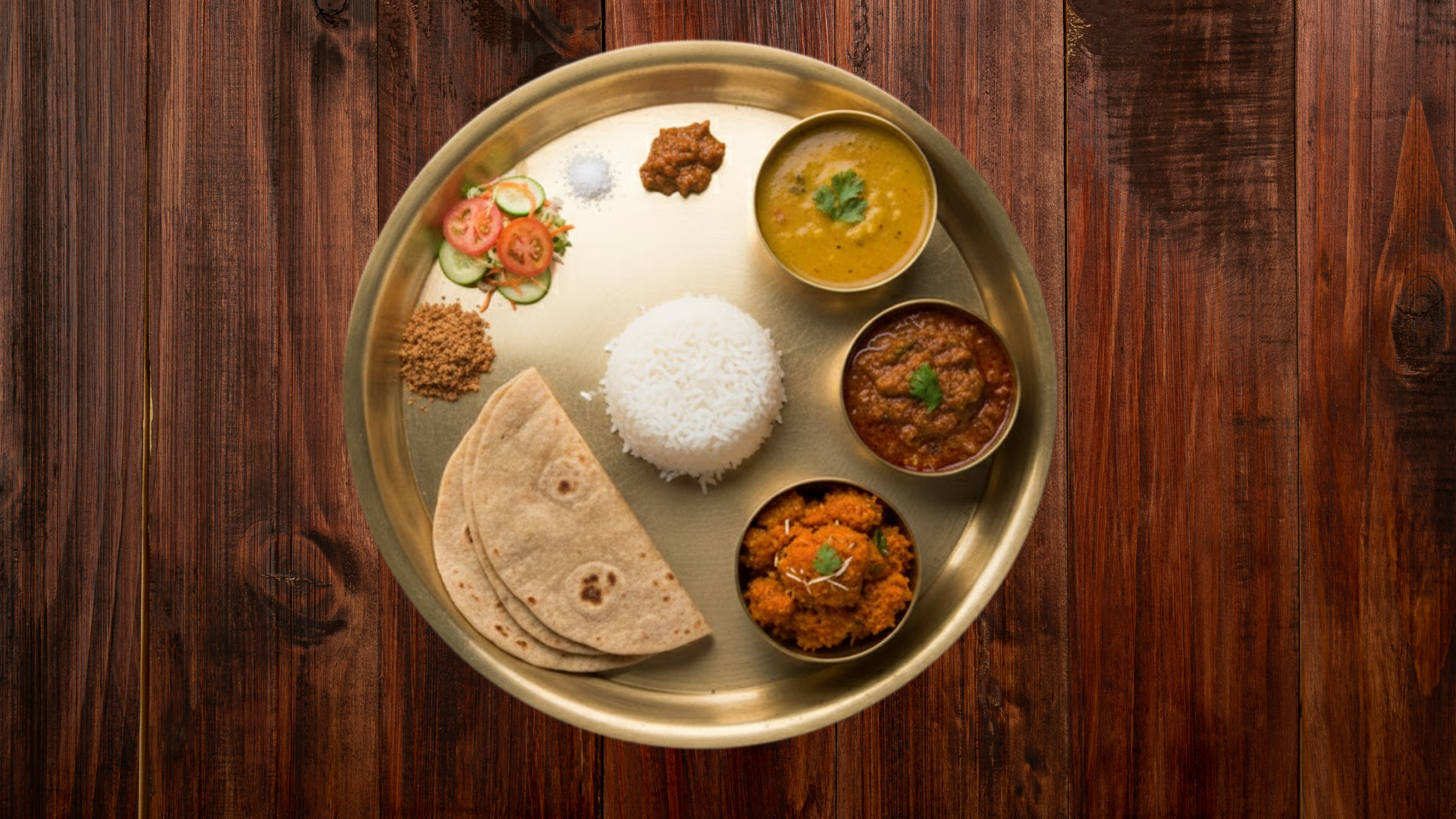
Lunch and dinner events usually require complete meal portions.
Breakfast gatherings focus more on lighter dishes.
Tea-time events often prioritise snacks, beverages, and desserts.
Matching the menu to the timing helps improve both guest satisfaction and food utilisation.
Time of Day Matters
Every Maharashtrian childhood has memories of Kairi Panha during the scorching summer months.
Prepared using raw mangoes, jaggery or sugar, cardamom, and saffron, Panha strikes the perfect balance between sweet and tangy.
Traditionally, it was also believed to help prevent heat exhaustion, making it an essential part of summer meals.
The Menu Influences Consumption
Not every dish is consumed equally.
Guests may happily take second helpings of a favourite dessert while skipping a particular vegetable preparation.
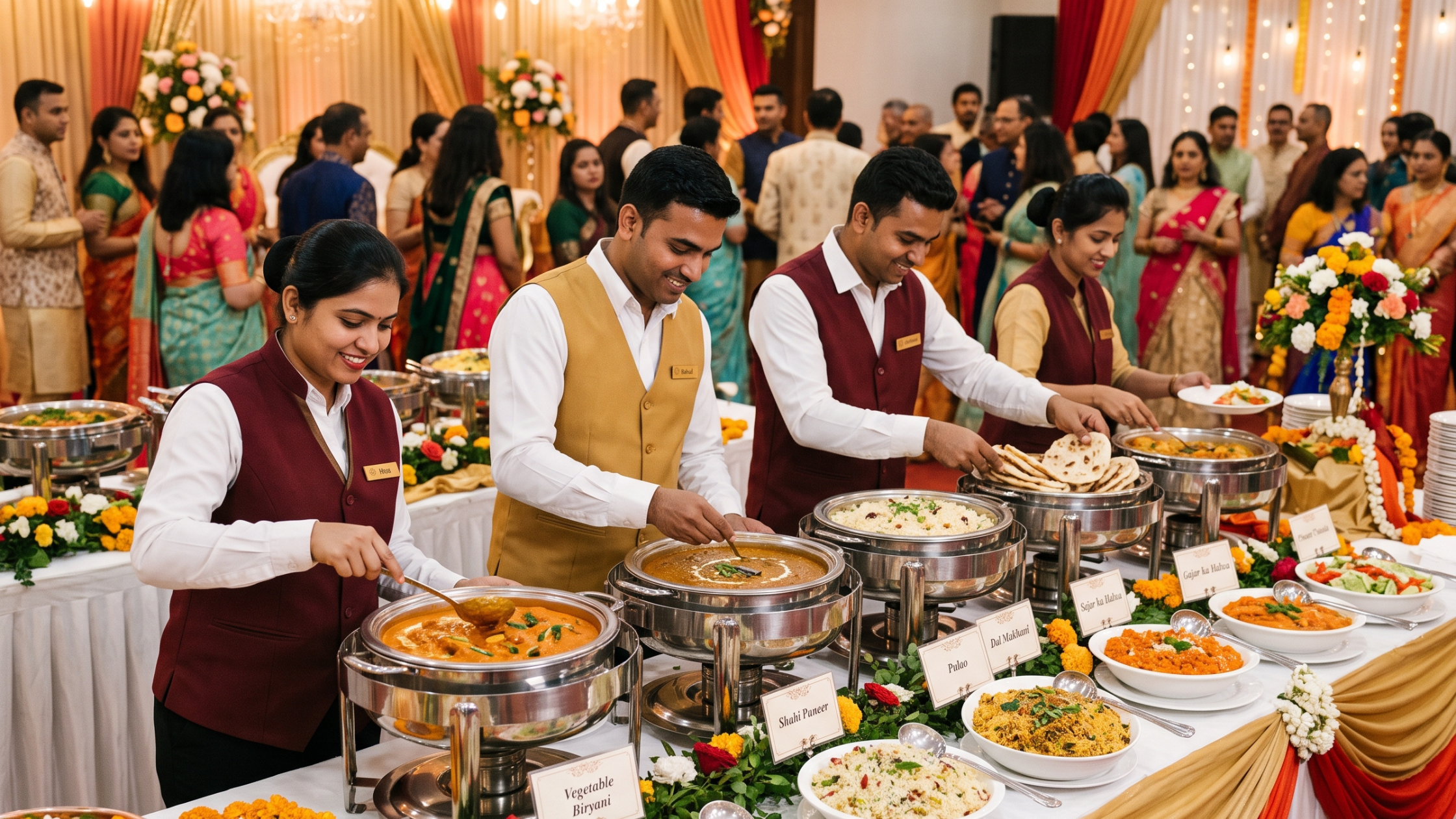
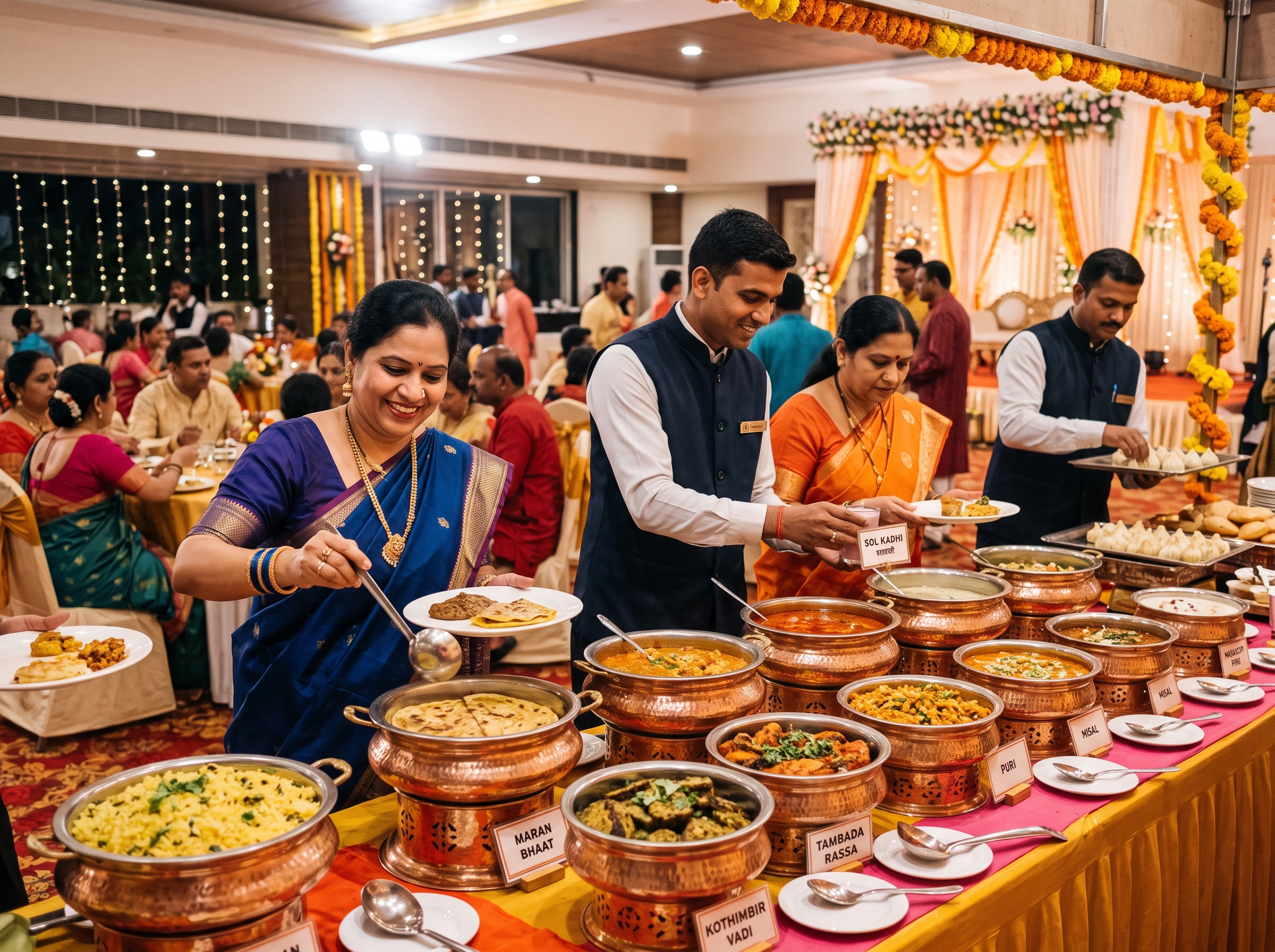
Similarly, live counters often become popular attractions and naturally reduce the quantity consumed from the buffet.
An experienced caterer balances:
- Starters
- Main course
- Rice
- Breads
- Desserts
- Beverages
so that every section complements the others.
Consider Your Guest Profile
The guest list itself provides valuable clues.
Ask yourself:
- Will many children attend?
- Is it mostly working professionals?
- Are there senior citizens?
- Are there guests with dietary preferences?
Families with young children often consume smaller meal portions.
Corporate events may require healthier menu options.
Traditional family functions generally see stronger interest in regional favourites.
Understanding your audience helps create a menu that people genuinely enjoy.
Avoid Planning for "Just in Case"
A common mistake is preparing significantly more food “just to be safe.”
While having a small buffer is sensible, excessive quantities often result in avoidable food waste.
Professional caterers typically maintain a planned safety margin while carefully managing preparation schedules, ensuring there is enough food without producing unnecessary surplus.
The goal isn’t to cook the most food.
It’s to serve the right amount.
Work with an Experienced Caterer
Food planning involves much more than multiplying guest numbers.
Professional caterers consider:
- Attendance patterns
- Event duration
- Menu complexity
- Serving style
- Portion sizes
- Refill schedules
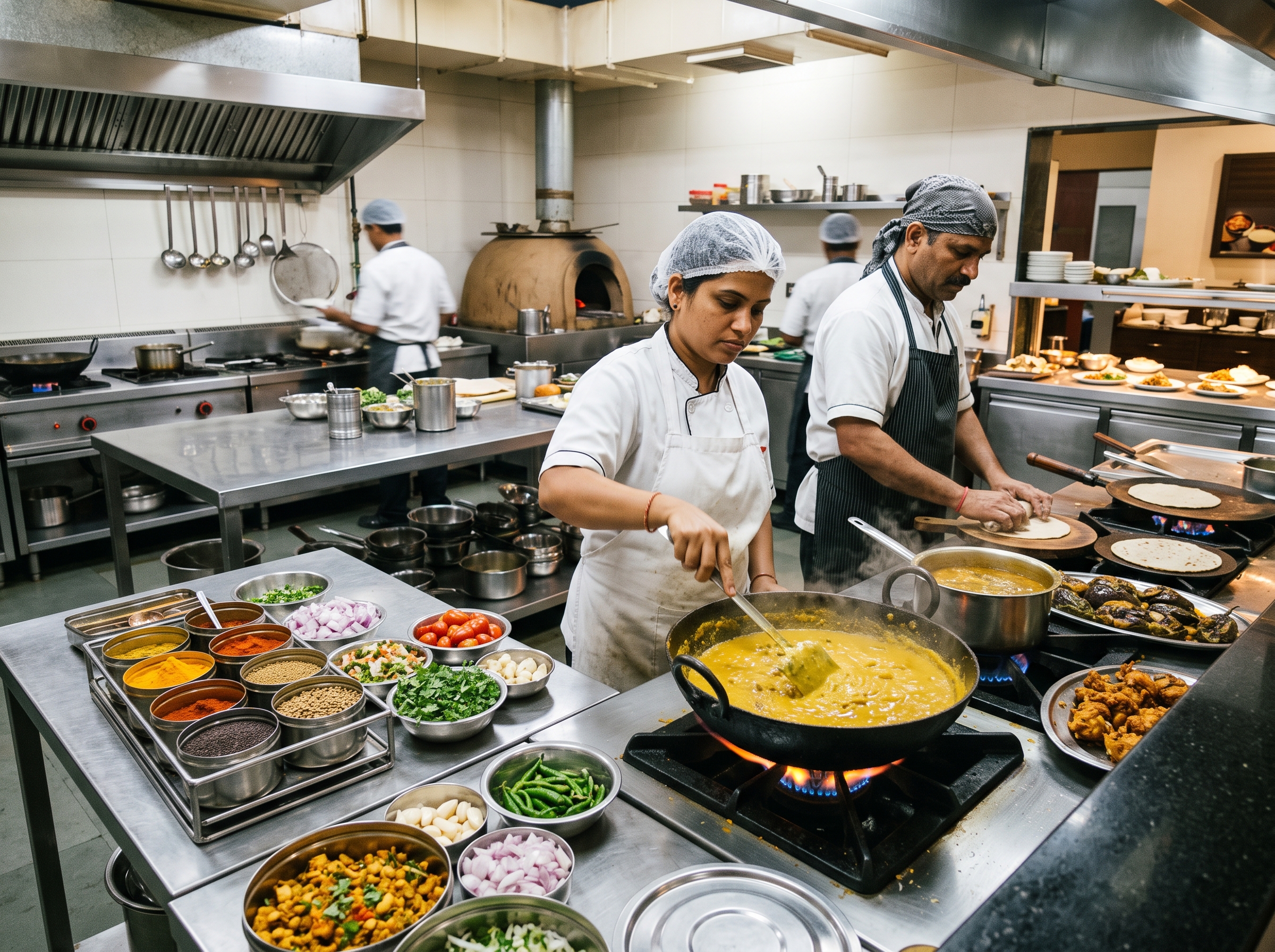
- Kitchen logistics
These details come from experience and are often what separate a smooth event from a stressful one.
Quality Always Matters More Than Quantity
Guests rarely remember exactly how many dishes were on the menu.
They remember whether the food was:
- Fresh
- Hot
- Flavourful
- Served on time
- Available throughout the event
A thoughtfully planned menu with excellent execution almost always leaves a stronger impression than an oversized buffet.
Successful catering isn’t measured by overflowing serving bowls at the end of the function.
It’s measured by satisfied guests, efficient service, and minimal waste.
Careful planning ensures everyone enjoys the meal while helping hosts make the best use of their budget.
When food is planned thoughtfully, everyone wins—the hosts, the guests, and the environment.
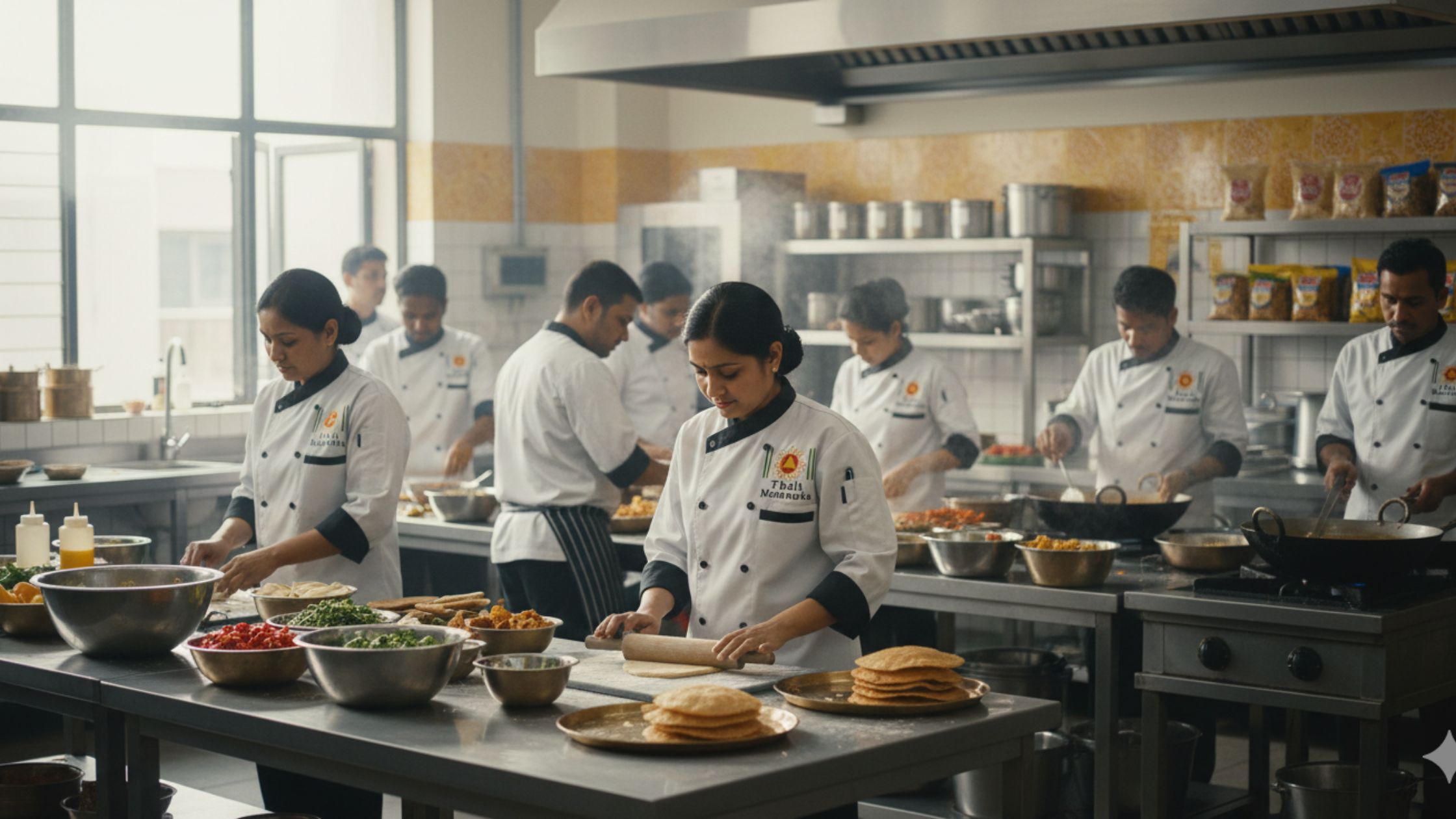
At Thali Moments, every event begins with careful planning. We work closely with our clients to understand the occasion, expected guest count, menu preferences, and serving style before recommending the right food quantities. This ensures that every celebration has enough freshly prepared food while avoiding unnecessary waste.
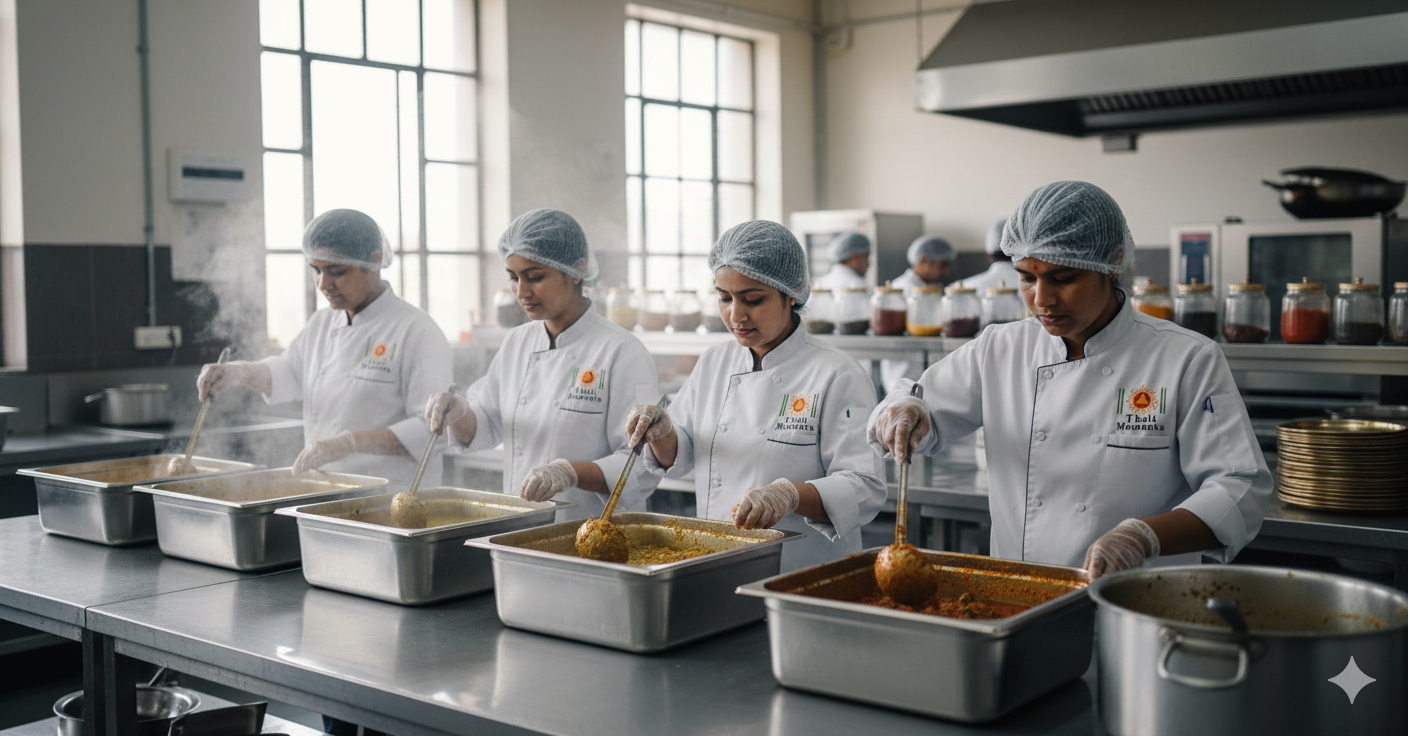
Whether we’re catering intimate family gatherings, weddings, corporate events, or festive celebrations across Pune, our focus remains on authentic Maharashtrian cuisine, hygienic preparation, timely service, and thoughtfully curated menus. Every dish is prepared using fresh ingredients without harmful additives by medically certified staff who follow strict cleanliness standards.
Because successful catering isn’t about serving more—it’s about serving just right.
Also Read
Share On