
The Last Hour Before Service: Inside the Most Critical Moment of Catering
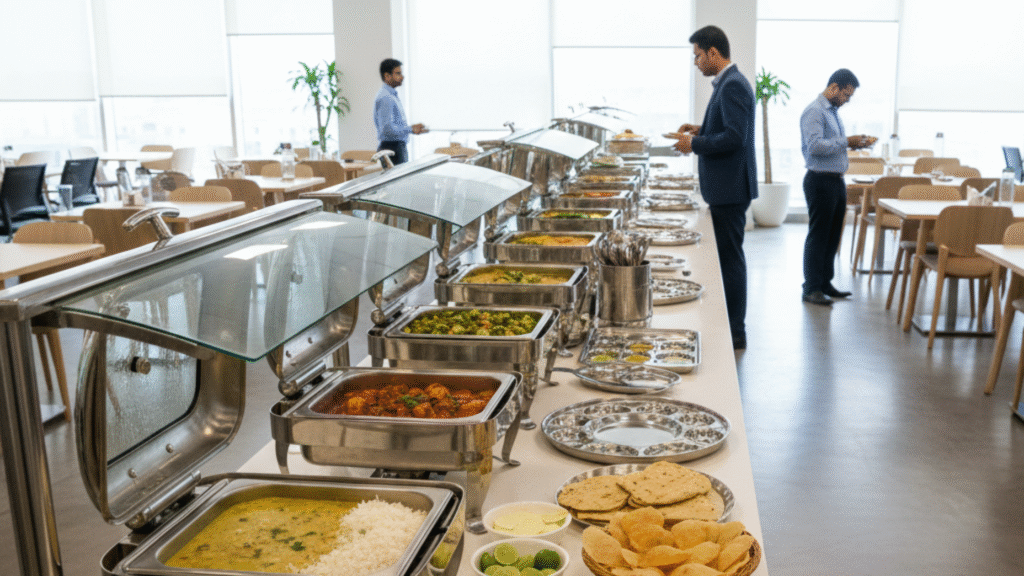
Inside a Wedding Kitchen: How We Prepare for 500 Guests and Still Keep It Authentic The aroma hits first. Roasted spices, ghee, and freshly chopped coriander. Then comes the sound of the rhythmic clang of ladles, laughter between cooks, and the sizzle of hot oil. It’s 6 a.m., and the Thali Moments kitchen is already alive. When you’re serving 500 guests at a Maharashtrian wedding, precision meets emotion. It’s not just about feeding a crowd; it’s about delivering warmth, memory, and authenticity; plate after plate. The Early Start: Where It All Begins A wedding day for us starts before sunrise. Our team gathers around steaming cups of chai, dividing roles and timelines. The goal is simple—serve ghar jaisa khana, no matter how big the event. The first step? Ingredient prep. Fresh vegetables arrive from Pune’s local mandis, spices are roasted in-house, and dal is soaked overnight. Every batch of masale bhaat or amti starts with ingredients chosen that very morning. Because freshness isn’t a luxury—it’s the foundation of flavor. Precision in Chaos: Cooking for 500 Cooking for a large wedding means managing timing to perfection. Each dish is planned down to the minute. The puran poli dough rests just long enough, varan-bhaat is steamed in rotation, and pithla simmers till it turns just creamy enough. The kitchen becomes a symphony—teams working in perfect coordination. One handles sweets, another gravies, another rice. Every recipe scales up, but never loses its soul. At Thali Moments, we don’t cut corners by using shortcuts or pre-mixes. We grind, roast, and temper every batch manually—because that’s what gives Maharashtrian food its heart. Balancing Tradition and Scale The challenge in wedding catering isn’t quantity—it’s consistency. When you’re serving hundreds, the risk of losing authenticity is real. But for us, that’s non-negotiable. To keep flavors intact, we rely on two things: method and memory. Our chefs use traditional patelas and handis for slow cooking. The process may take longer, but it delivers depth—exactly the way grandmothers cooked. Each menu is designed with a rhythm too: Varan-bhaat and toop for warmth and purity. Batatyachi bhaji for comfort. Koshimbir and solkadhi for freshness. Puran poli for sweetness and joy. These aren’t just dishes—they’re emotional markers in a Maharashtrian wedding meal. The Serving Line: Order in Motion By the time the guests begin arriving, the kitchen transforms into a well-orchestrated flow. Hot food moves out in perfectly timed rotations—so no plate goes cold, and no guest waits too long. Servers are briefed on sequence and presentation. Whether it’s a traditional thali setup or a buffet, every element matters—placement, garnish, and warmth. Our priority? That every guest—whether it’s the groom’s uncle or the bride’s best friend—feels the same care and attention. Why Authenticity Still Matters In an age of shortcuts, authenticity stands out. People remember the aroma of toasted hing, the crunch of a perfectly fried papad, or the sweetness of handmade puran poli. That’s what we protect at Thali Moments—because for us, food isn’t just service; it’s sentiment. A Maharashtrian wedding meal isn’t about extravagance—it’s about emotion, community, and connection. The Thali Moments Promise We’re not just one of the best catering services near you in Pune—we’re a team that treats every event like a family celebration. Whether it’s a wedding of 50 or 500, our approach stays the same: fresh ingredients, traditional methods, and the love that turns food into memory. From the first ladle of amti to the last modak, we carry forward Maharashtra’s culinary heritage—one wedding at a time. Share On Recent Posts
Inside a Wedding Kitchen: How We Prepare for 500 Guests and Still Keep It Authentic
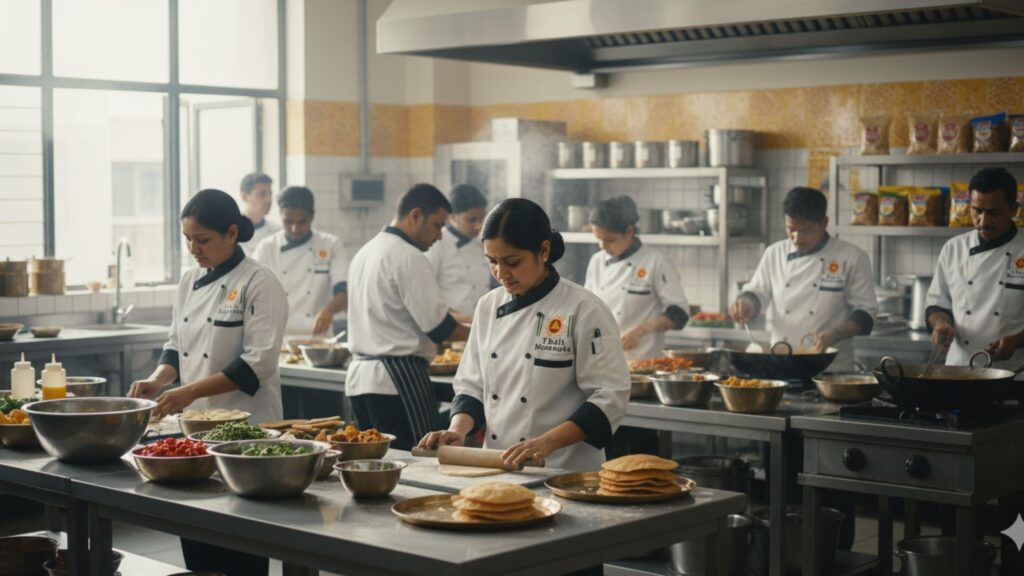
Inside a Wedding Kitchen: How We Prepare for 500 Guests and Still Keep It Authentic The aroma hits first. Roasted spices, ghee, and freshly chopped coriander. Then comes the sound of the rhythmic clang of ladles, laughter between cooks, and the sizzle of hot oil. It’s 6 a.m., and the Thali Moments kitchen is already alive. When you’re serving 500 guests at a Maharashtrian wedding, precision meets emotion. It’s not just about feeding a crowd; it’s about delivering warmth, memory, and authenticity; plate after plate. The Early Start: Where It All Begins A wedding day for us starts before sunrise. Our team gathers around steaming cups of chai, dividing roles and timelines. The goal is simple—serve ghar jaisa khana, no matter how big the event. The first step? Ingredient prep. Fresh vegetables arrive from Pune’s local mandis, spices are roasted in-house, and dal is soaked overnight. Every batch of masale bhaat or amti starts with ingredients chosen that very morning. Because freshness isn’t a luxury—it’s the foundation of flavor. Precision in Chaos: Cooking for 500 Cooking for a large wedding means managing timing to perfection. Each dish is planned down to the minute. The puran poli dough rests just long enough, varan-bhaat is steamed in rotation, and pithla simmers till it turns just creamy enough. The kitchen becomes a symphony—teams working in perfect coordination. One handles sweets, another gravies, another rice. Every recipe scales up, but never loses its soul. At Thali Moments, we don’t cut corners by using shortcuts or pre-mixes. We grind, roast, and temper every batch manually—because that’s what gives Maharashtrian food its heart. Balancing Tradition and Scale The challenge in wedding catering isn’t quantity—it’s consistency. When you’re serving hundreds, the risk of losing authenticity is real. But for us, that’s non-negotiable. To keep flavors intact, we rely on two things: method and memory. Our chefs use traditional patelas and handis for slow cooking. The process may take longer, but it delivers depth—exactly the way grandmothers cooked. Each menu is designed with a rhythm too: Varan-bhaat and toop for warmth and purity. Batatyachi bhaji for comfort. Koshimbir and solkadhi for freshness. Puran poli for sweetness and joy. These aren’t just dishes—they’re emotional markers in a Maharashtrian wedding meal. The Serving Line: Order in Motion By the time the guests begin arriving, the kitchen transforms into a well-orchestrated flow. Hot food moves out in perfectly timed rotations—so no plate goes cold, and no guest waits too long. Servers are briefed on sequence and presentation. Whether it’s a traditional thali setup or a buffet, every element matters—placement, garnish, and warmth. Our priority? That every guest—whether it’s the groom’s uncle or the bride’s best friend—feels the same care and attention. Why Authenticity Still Matters In an age of shortcuts, authenticity stands out. People remember the aroma of toasted hing, the crunch of a perfectly fried papad, or the sweetness of handmade puran poli. That’s what we protect at Thali Moments—because for us, food isn’t just service; it’s sentiment. A Maharashtrian wedding meal isn’t about extravagance—it’s about emotion, community, and connection. The Thali Moments Promise We’re not just one of the best catering services near you in Pune—we’re a team that treats every event like a family celebration. Whether it’s a wedding of 50 or 500, our approach stays the same: fresh ingredients, traditional methods, and the love that turns food into memory. From the first ladle of amti to the last modak, we carry forward Maharashtra’s culinary heritage—one wedding at a time. Share On Recent Posts
A Day in the Life of Our Kitchen: From Prep to Plating
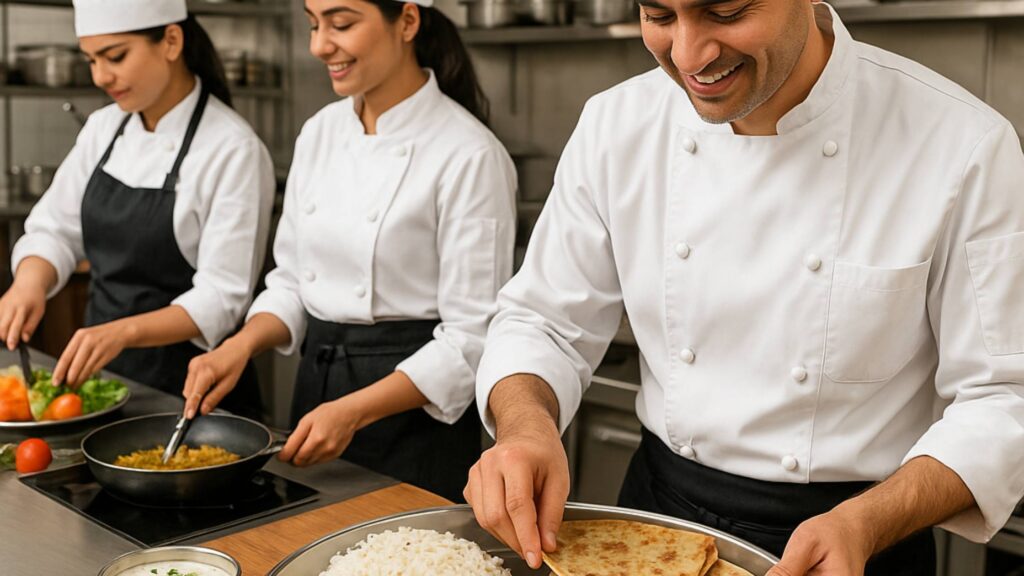
A Day in the Life of Our Kitchen: From Prep to Plating Behind every perfectly served thali lies a rhythm of work, care, and coordination that begins long before the guests arrive. At Thali Moments, our kitchen is more than just a space for cooking; it is where traditions meet teamwork, and where every event begins its journey. The Early Start Our day begins much before the city fully wakes. Fresh vegetables from Pune’s mandis arrive at dawn, brimming with colour and freshness. The team inspects every batch; for Marathi people, freshness is non-negotiable. From leafy greens for Pithla-Bhakri in winters to ripe mangoes for Aamras during the summers, sourcing sets the tone for the rest of the day. The Prep Rituals Once ingredients are sorted, the kitchen comes alive with chopping, grinding, and stirring. Spices are roasted and hand-ground, chutneys are freshly blended, and doughs are kneaded for Bhakris and Puran polis. There’s an old-world rhythm to this stage: “Recipes may be rooted in tradition, but they demand precision and consistency.” Cooking with Purpose By mid-morning, the bigger pots and pans take their place on the flames. Dals simmer, various Bhaajis take shape, and curries bubble to life. Every cook in our kitchen carries their speciality. One focuses on gravies, another on sweets, and someone else on finishing touches like tempering. It’s a team effort where timing matters as much as taste. The Quiet Checks Before the food ever reaches the guests, it passes through quiet checks. The head chef tastes every dish, adjusting spices, salt, or sweetness until it feels just right. It’s not about recipes alone, but about instinct. Knowing when the Amti has enough tang or if the Shrikhand feels too thick comes with experience and instinct. These small refinements are what make the meal memorable. From Kitchen to Plate Closer to service time, the kitchen shifts gears. Thalis are laid out in perfect order—Rice, Dals, Bhajis, Chutneys, Papads, pickles, and sweets all finding their place. At events, the team works in sync, ensuring no plate leaves half-filled and every guest feels cared for. Whether it’s a buffet line or a sit-down thali service, presentation is given the same respect as taste. More Than Just Food For us, it’s not only about feeding people—it’s about carrying forward the pride of Maharashtrian hospitality. Each meal is an offering of culture, prepared with the belief that food should bring joy, comfort, and connection. When a guest leaves an event remembering the taste of puran poli or the spicy coolness of Solkadhi, we know the kitchen has done its job well. What begins as a morning of chopping and simmering ends as an experience shared across plates and conversations. Share On Recent Posts