
From Home Kitchen to Community Feast: How Festival Food Brings People Together
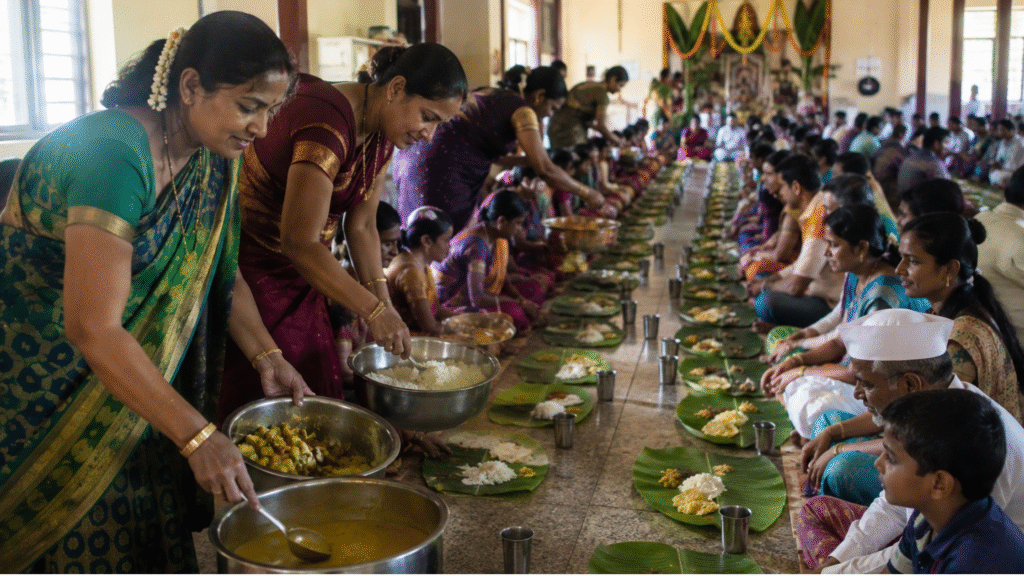
From Home Kitchen to Community Feast: How Festival Food Brings People Together There is something about a festival kitchen that makes an ordinary day feel different. The kitchen becomes busier. More vessels appear on the stove. Ingredients are bought in larger quantities. Family members who normally stay out of the kitchen suddenly have a job to do. Someone is chopping vegetables.Someone is preparing sweets.Someone is tasting the amti for the third time.And someone, usually a child, is waiting for the food to be ready.This is how many Maharashtrian festivals begin: with food being prepared together. But what starts in a home kitchen can grow into something much larger. A family meal can become a housing society gathering, a neighbourhood celebration or a community feast serving hundreds of people. The scale changes.The meaning doesn’t. Food Has Always Been Part of the Celebration In Maharashtra, festivals and food have always gone hand in hand. Ganpati brings modak and festive naivedya. Gauri celebrations bring elaborate meals. Diwali brings faral. Other festivals bring their own seasonal dishes and traditions. These aren’t simply menus associated with particular dates.They are food memories passed between generations. A recipe may remind someone of their grandmother. A particular sweet may mean that the festival has officially begun. A familiar aroma from the kitchen can bring back childhood celebrations almost instantly. Food gives a festival a flavour you can actually remember. The Home Kitchen Is Where It Starts Traditional festival cooking often begins long before guests arrive. Ingredients are purchased, cleaned and prepared. Some dishes are made in advance. Others are cooked closer to mealtime.And because festival food is rarely just one dish, the kitchen becomes a small exercise in coordination.One person prepares the vegetables. Another works on sweets. Someone handles the rice while another manages the breads. It’s not necessarily organised in the way a professional kitchen is. But somehow, everyone knows what needs to happen. That is part of the beauty of a traditional Indian household. Cooking becomes a shared activity rather than an individual task Then the Guest List Grows The transition from family celebration to community celebration changes the equation. Cooking for 15 people is one thing.Cooking for 300 is something else entirely. Suddenly, quantities need to be calculated carefully. Ingredients have to be sourced in bulk. Preparation needs to begin earlier. Cooking must happen in batches. Serving needs to be coordinated.Food also has to remain fresh and maintain its quality throughout service. This is where professional community catering in Pune becomes particularly important.The challenge isn’t simply making more food. It’s making more food without losing the flavour, consistency and character of the original dishes. The Community Feast Is About More Than Food Walk into a traditional community meal and you’ll notice something interesting.People who may never have met before are sitting beside each other. Volunteers are serving food.Someone is making sure an elderly guest is comfortable.Children are watching what everyone else is eating.Plates are being refilled. For a short while, the usual boundaries disappear.A feast creates a shared experience. Everyone receives the same food. Everyone sits together. Everyone participates in the same celebration.That is the quiet social power of food. Why Maharashtrian Food Works So Well for Community Celebrations Maharashtrian cuisine has a natural advantage when it comes to large gatherings.Many traditional dishes can be prepared in larger quantities while retaining their character when the cooking process is planned properly. Rice, dal, amti, usal, vegetable preparations, puris, sweets and several traditional accompaniments can come together to create a satisfying and varied meal.But large-scale cooking requires more than simply using larger vessels. Ingredient proportions, cooking time, spice balance, batch sizes and serving temperatures all need to be managed carefully.The recipe may remain the same.The process becomes much more sophisticated. The People Behind the Feast At a large festival gathering, guests see the final meal. Behind it is a team of people working long before the first guest arrives. Chefs prepare the food. Kitchen staff organise ingredients. Servers coordinate the buffet or dining area. Someone monitors replenishment. Someone checks whether everything is ready for the next service. And when hundreds of people are being served, timing becomes critical. Good catering often feels effortless to the guest precisely because so much effort happens out of sight. From Aaji’s Kitchen to Today’s Celebrations Festival traditions are changing. Families are smaller. People have busier schedules. Large community celebrations are increasingly common. Professional catering has become a practical way of preserving elaborate food traditions without placing the entire burden on one household. But this doesn’t mean the tradition disappears. The recipes can still remain. The flavours can still remain. And most importantly, the reason for preparing the food can remain. To bring people together. That may be the most important part of all. The Thali Moments Way At Thali Moments, we believe festival catering should retain the warmth of food prepared at home while having the organisation required to serve a much larger gathering. From Ganpati and Gauri celebrations to Diwali events, community gatherings, family functions and corporate festive celebrations, we create traditional Maharashtrian and Indian menus for different occasions and guest sizes. Our food is prepared using fresh ingredients and traditional recipes, with trained and medically certified staff following strict hygiene and cleanliness practices. We also avoid soda and harmful additives, keeping the focus on authentic flavour and quality. Whether it’s a family meal around a small dining table or a community feast serving hundreds, the purpose remains the same: Bring people together around good food. Because a festival isn’t remembered only by what we celebrated. It’s remembered by who sat beside us, what we ate together, and how it made us feel. Also Read How Much Food Should You Plan Per Guest? A Complete Catering Guide 7 Questions You Should Always Ask Before Hiring a Caterer The Last Hour Before Service: Inside the Most Critical Moment of Catering How to Keep Food Hot, Fresh, and Flavorful at Large Events Share On Recent Posts
How a Catering Kitchen Plans for Unexpected Challenges
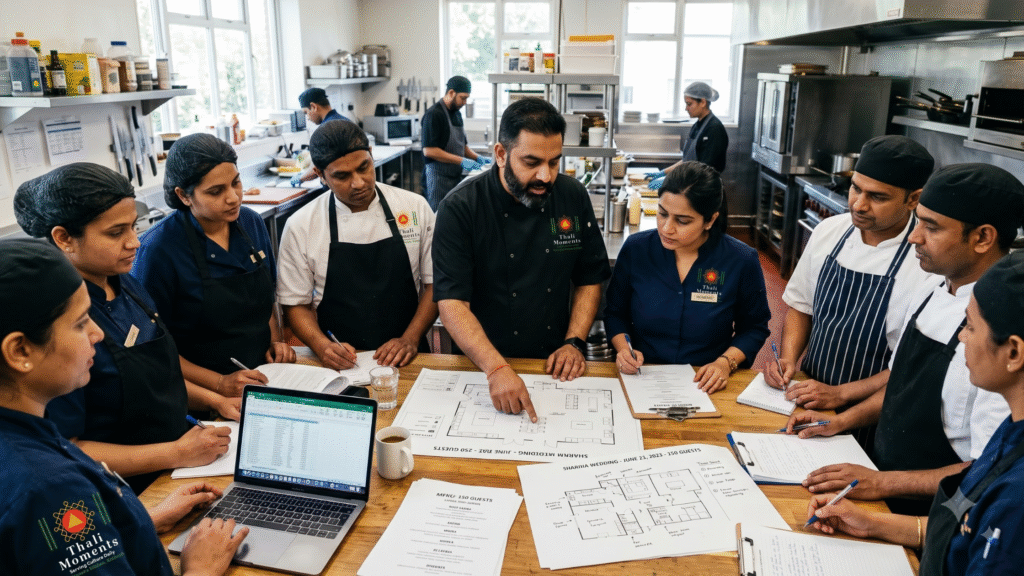
How a Catering Kitchen Plans for Unexpected Challenges A wedding is scheduled for 1:00 PM. The menu is finalised, the ingredients have been purchased, the kitchen team is ready, and the venue has been prepared. Then the phone rings. The venue entrance is delayed. Or the guest count has suddenly increased. Or rain has started just as the outdoor service area is being set up. For the host, these moments can feel like a crisis. For an experienced catering team, they are part of the job. Successful event catering in Pune isn’t about expecting everything to go exactly according to plan. It is about having enough planning, experience and flexibility to handle the things that don’t. Good Catering Starts With a Backup Plan Most guests see the final meal. They don’t see the planning behind it. Before a large event begins, a professional catering team considers more than the menu and guest count. They look at the venue, access points, kitchen facilities, transportation, service timing, staffing and possible points of disruption. The objective isn’t to predict every possible problem. That would require a rather heroic amount of crystal-ball work. The objective is to identify the most likely risks and have a response ready. That could mean keeping additional ingredients available, planning alternate transport routes, having extra serving staff on standby or ensuring that critical equipment has a backup. What If More Guests Arrive? One of the most common challenges in wedding catering is a guest count that changes at the last minute. A few additional guests may not sound significant, but when several hundred people are being served, even a small increase can affect portions and replenishment. Experienced caterers build a reasonable buffer into their food planning. They also monitor consumption during service rather than waiting until a dish is almost finished. This is where understanding food quantities, guest behaviour and menu composition becomes important. A good caterer doesn’t simply prepare “more food”. They plan intelligently. When Transportation Doesn’t Go According to Plan For off-site catering, the kitchen isn’t always next to the dining area. Food needs to travel from the preparation kitchen to the venue while maintaining quality, temperature and timing. Traffic, road closures, unexpected delays or venue access issues can affect that schedule. Professional catering teams account for travel time, loading sequences and unloading priorities. Food isn’t simply packed and sent off. The movement of each component needs to be coordinated with the service schedule. Because a dish arriving twenty minutes late isn’t particularly useful just because it was cooked perfectly. Weather Can Change Everything Outdoor events have their own set of challenges. Rain can affect the serving area. Heat can influence food holding conditions. Strong winds can make temporary setups difficult. This is especially relevant during Maharashtra’s monsoon season, when weather can change quickly. A good catering plan therefore considers whether the venue has covered service areas, alternative spaces and suitable arrangements for food storage and service. The best contingency plan is often the one guests never notice. Last-Minute Menu Changes Occasionally, a client may request a change close to the event. Perhaps a particular dish needs to be replaced. Perhaps additional vegetarian or dietary requirements emerge. Sometimes a family simply remembers one favourite dish that they forgot to include. Not every request can or should be accommodated at the last minute. But an experienced catering team knows how to assess what is realistically possible without compromising the quality of the rest of the menu. That distinction matters. Saying yes to everything sounds helpful until it creates problems elsewhere. Equipment and Power Issues Large-scale catering depends on equipment, electricity, refrigeration, cooking vessels and service infrastructure. A professional kitchen plans around these dependencies. Critical equipment should be checked before the event. Cooking schedules should account for the available facilities at the venue. Teams should know what alternatives are available if something doesn’t work as expected. Preparation is much cheaper than improvisation during service. The Most Important Contingency: The Team Plans are useful. People make them work. When something unexpected happens, the catering team needs to know who is responsible for what. One person may coordinate with the venue. Another may manage the kitchen. Someone else may monitor the service counters. Clear responsibilities prevent five people from trying to solve the same problem while nobody handles the actual issue. And perhaps most importantly, the team needs to remain calm. Guests don’t need to know that something went wrong behind the scenes. They simply need their meal to arrive as planned. Why Experience Matters There is a difference between knowing what should happen and knowing what to do when it doesn’t. An experienced catering team has usually encountered enough real-world situations to recognise problems early. They know when a dish needs to be replenished. They know when service is moving too slowly. They know when a transport delay could affect the next stage. They know which problems require immediate action and which ones can simply be monitored. That experience becomes invisible when everything goes smoothly. And that is precisely the point. The Thali Moments Approach At Thali Moments, planning for the unexpected is part of delivering reliable catering services in Pune. Whether we are catering a Maharashtrian wedding, corporate event, family celebration or a large gathering, our teams plan around guest numbers, menu requirements, venue logistics, food movement and service timing before the event begins. Our focus is on combining authentic Maharashtrian and Indian food with disciplined catering processes. We use fresh ingredients, avoid soda and harmful additives, and follow strict cleanliness and hygiene practices. Our medically certified and trained staff are prepared to manage large-scale service while maintaining the quality and consistency expected from every plate. Because good catering isn’t about having a perfect event. It’s about being prepared when the event isn’t perfect. Also Read How Much Food Should You Plan Per Guest? A Complete Catering Guide 7 Questions You Should Always Ask Before Hiring a Caterer The Last Hour Before Service: Inside the Most Critical Moment
7 Questions You Should Always Ask Before Hiring a Caterer
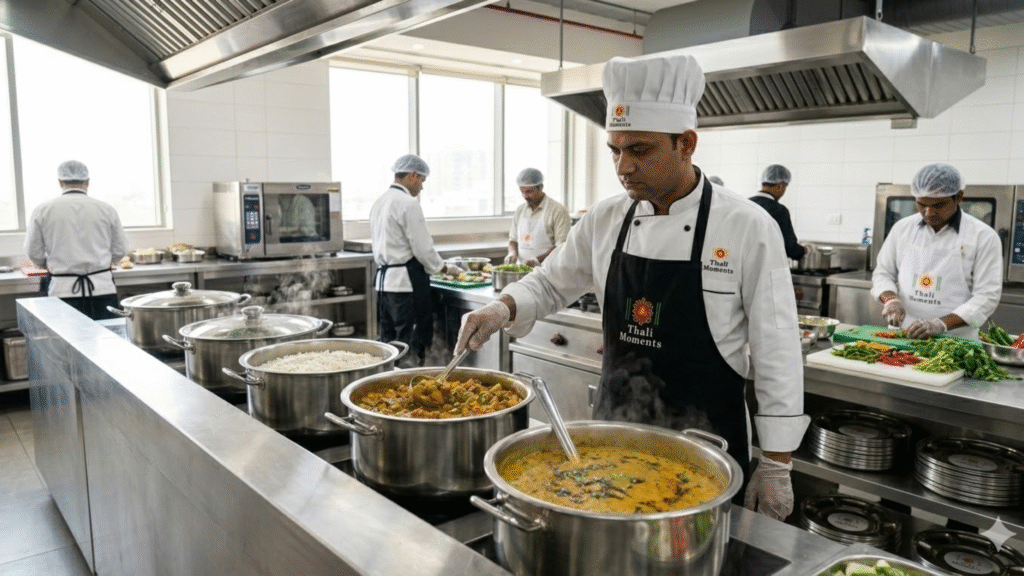
7 Questions You Should Always Ask Before Hiring a Caterer Food is often the most talked-about part of any event. Guests may forget the decorations or the music, but they’ll always remember whether the food was fresh, flavourful, and served on time. Choosing the right caterer, therefore, is one of the most important decisions you’ll make while planning a wedding, corporate event, birthday, anniversary, or family celebration. Unfortunately, many people choose a caterer based solely on price or menu options. While these factors matter, they don’t tell the full story. A professional catering partner should offer much more than delicious food. Before you make your decision, here are seven questions that can save you time, money, and unnecessary stress. 1. What Experience Do You Have with Events Like Mine? Not every caterer specialises in every type of event. Serving lunch for a corporate meeting requires different planning than managing a traditional Maharashtrian wedding with 800 guests. Ask questions like: Have you catered similar events before? What was the guest count? Do you specialise in weddings, corporate events, or private functions? Experience often determines how smoothly an event runs. 2. Can the Menu Be Customised? Every event is unique. Some families want traditional Maharashtrian food. Others prefer a mix of regional cuisines. Corporate events may require healthier meals, Jain options, or dietary accommodations. A good caterer should be flexible enough to customise the menu while maintaining quality and authenticity. The best menus are built around your guests—not copied from a standard package. 3. How Do You Ensure Food Quality and Hygiene? This question is often overlooked. Ask your caterer: How is food stored? Are staff medically certified? What hygiene standards do you follow? How is food transported? Are fresh ingredients used? Food safety is just as important as flavour. Professional caterers should be transparent about their kitchen practices. 4. How Do You Handle Unexpected Changes? Every event has surprises. Extra guests. Traffic delays. Rain. Last-minute menu adjustments. Ask how the catering team prepares for these situations. Experienced caterers don’t simply react—they plan ahead. Their contingency planning is often what separates a good event from a stressful one. 5. What Is Included in the Catering Package? The quoted price may not tell the complete story. Clarify whether it includes: Serving staff Buffet setup Live counters Plates and cutlery Cleaning after service Transportation Drinking water Desserts Understanding exactly what’s included helps avoid unexpected costs later. 6. How Is Food Quantity Planned? Running out of food is every host’s nightmare. Preparing far too much leads to unnecessary waste. Professional caterers estimate quantities based on: guest profile event duration serving style menu selection previous experience This is one reason experienced caterers often deliver smoother events than inexperienced vendors. 7. Can You Share Testimonials or Previous Work? Before making your final decision, ask to see: photographs of previous events customer reviews testimonials social media pages website portfolio Real experiences from previous clients often provide the clearest picture of what you can expect. Consistency matters far more than impressive promises. Beyond the Questions Hiring a caterer is ultimately about trust. The right partner doesn’t simply prepare food. They become part of your event. They coordinate with the venue. They manage service. They solve problems quietly. And they allow you to spend your time with guests instead of worrying about logistics. That peace of mind is difficult to measure—but impossible to replace. The Thali Moments Way At Thali Moments, we believe every successful event begins with a conversation. Before recommending a menu, we take the time to understand your occasion, guest profile, preferences, and expectations. Whether it’s a traditional Maharashtrian wedding, a corporate gathering, a festive celebration, or an intimate family function, we create customised food experiences that suit your event rather than offering one-size-fits-all packages. Our services include wedding catering, corporate catering, meal trays, festive catering, and customised menus across Pune. Every meal is prepared using fresh ingredients, traditional recipes, and cooking methods that avoid harmful additives. With medically certified staff, strict hygiene protocols, and a commitment to timely service, we ensure that every event is remembered for the right reasons—delicious food, seamless execution, and genuine hospitality. Because choosing a caterer isn’t just about hiring a vendor. It’s about choosing a team you can trust on one of your most important days. Also Read How Much Food Should You Plan Per Guest? Food Safety in Corporate Catering: What Businesses Should Expect The Last Hour Before Service: Inside the Most Critical Moment of Catering Inside a Wedding Kitchen: How We Prepare for 500 Guests and Still Keep It Authentic Share On Recent Posts
How Much Food Should You Plan Per Guest? A Complete Catering Guide
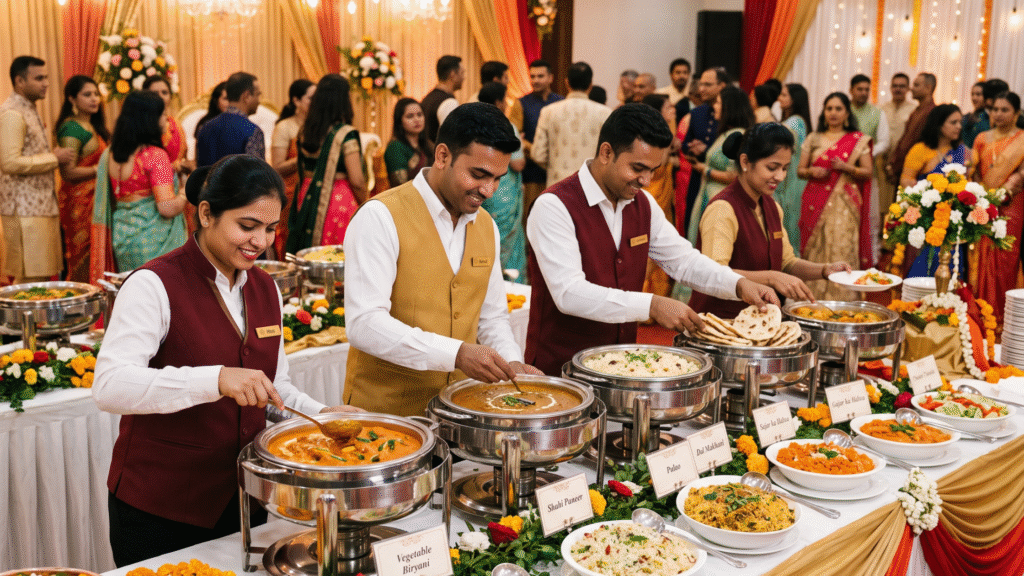
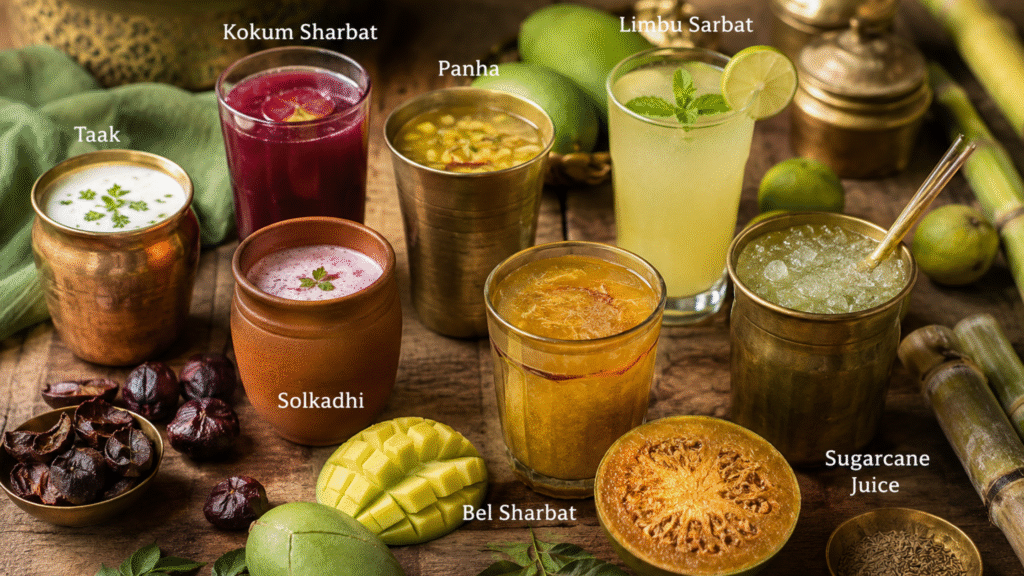
How Much Food Should You Plan Per Guest? A Complete Catering Guide One of the biggest questions people ask while planning an event is surprisingly simple: “Will the food be enough?” Whether it’s a wedding, birthday celebration, housewarming, corporate event, or anniversary, no host wants to run out of food. At the same time, preparing far more than needed can lead to unnecessary waste and higher costs. Finding the right balance isn’t about guesswork. Experienced caterers consider several factors before deciding how much food to prepare. Here’s what goes into planning the perfect quantity for your event. It Starts with the Guest List The number of invited guests is only the starting point. The more important question is: How many people are actually expected to attend? For weddings, attendance is often between 75% and 90% of invitations, depending on the venue and location. For corporate events, RSVP numbers are usually more accurate. Family functions often have a higher attendance rate because guests are closely connected to the hosts. An experienced caterer helps estimate realistic attendance instead of planning only around invitations. The Type of Event Makes a Difference A meal served at 1:00 PM is very different from one served at 5:00 PM. Lunch and dinner events usually require complete meal portions. Breakfast gatherings focus more on lighter dishes. Tea-time events often prioritise snacks, beverages, and desserts. Matching the menu to the timing helps improve both guest satisfaction and food utilisation. Time of Day Matters Every Maharashtrian childhood has memories of Kairi Panha during the scorching summer months. Prepared using raw mangoes, jaggery or sugar, cardamom, and saffron, Panha strikes the perfect balance between sweet and tangy. Traditionally, it was also believed to help prevent heat exhaustion, making it an essential part of summer meals. The Menu Influences Consumption Not every dish is consumed equally. Guests may happily take second helpings of a favourite dessert while skipping a particular vegetable preparation. Similarly, live counters often become popular attractions and naturally reduce the quantity consumed from the buffet. An experienced caterer balances: Starters Main course Rice Breads Desserts Beverages so that every section complements the others. Consider Your Guest Profile The guest list itself provides valuable clues. Ask yourself: Will many children attend? Is it mostly working professionals? Are there senior citizens? Are there guests with dietary preferences? Families with young children often consume smaller meal portions. Corporate events may require healthier menu options. Traditional family functions generally see stronger interest in regional favourites. Understanding your audience helps create a menu that people genuinely enjoy. Avoid Planning for “Just in Case” A common mistake is preparing significantly more food “just to be safe.” While having a small buffer is sensible, excessive quantities often result in avoidable food waste. Professional caterers typically maintain a planned safety margin while carefully managing preparation schedules, ensuring there is enough food without producing unnecessary surplus. The goal isn’t to cook the most food. It’s to serve the right amount. Work with an Experienced Caterer Food planning involves much more than multiplying guest numbers. Professional caterers consider: Attendance patterns Event duration Menu complexity Serving style Portion sizes Refill schedules Kitchen logistics These details come from experience and are often what separate a smooth event from a stressful one. Quality Always Matters More Than Quantity Guests rarely remember exactly how many dishes were on the menu. They remember whether the food was: Fresh Hot Flavourful Served on time Available throughout the event A thoughtfully planned menu with excellent execution almost always leaves a stronger impression than an oversized buffet. Successful catering isn’t measured by overflowing serving bowls at the end of the function. It’s measured by satisfied guests, efficient service, and minimal waste. Careful planning ensures everyone enjoys the meal while helping hosts make the best use of their budget. When food is planned thoughtfully, everyone wins—the hosts, the guests, and the environment. At Thali Moments, every event begins with careful planning. We work closely with our clients to understand the occasion, expected guest count, menu preferences, and serving style before recommending the right food quantities. This ensures that every celebration has enough freshly prepared food while avoiding unnecessary waste. Whether we’re catering intimate family gatherings, weddings, corporate events, or festive celebrations across Pune, our focus remains on authentic Maharashtrian cuisine, hygienic preparation, timely service, and thoughtfully curated menus. Every dish is prepared using fresh ingredients without harmful additives by medically certified staff who follow strict cleanliness standards. Because successful catering isn’t about serving more—it’s about serving just right. Also Read 8 Forgotten Maharashtrian Recipes That Deserve a Comeback The Art of Serving Guests: Timeless Maharashtrian Hospitality Traditions Share On Recent Posts
10 Common Myths About Vegetarian Food—Debunked
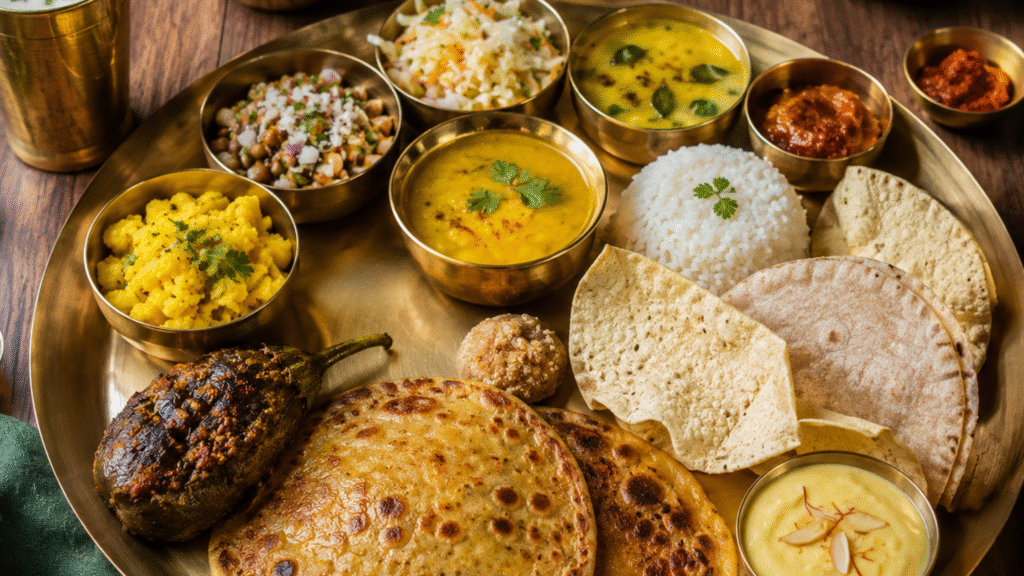
10 Common Myths About Vegetarian Food—Debunked Mention vegetarian food, and chances are someone will say, “But where do you get your protein?” Others assume vegetarian meals are repetitive, less satisfying, or suitable only for those following religious traditions. These ideas have been repeated for so long that they’ve started to sound like facts. The truth, however, looks very different. Across India, and especially in Maharashtra, vegetarian cuisine has evolved over centuries. It combines grains, lentils, vegetables, dairy, spices, and seasonal ingredients to create meals that are balanced, diverse, and deeply satisfying. Let’s separate myth from reality. Myth 1: Vegetarian Food Doesn’t Have Enough Protein Perhaps the most common misconception. Traditional Maharashtrian kitchens have never depended on a single ingredient for nutrition. Protein comes from a combination of: Tur dal Moong dal Matki Harbhara Usal Besan Paneer Curd Peanuts A well-planned vegetarian meal naturally contains multiple protein sources. The secret has always been variety. Myth 2: Vegetarian Meals Are Boring If you’ve only experienced paneer butter masala and dal fry at restaurants, it’s easy to think vegetarian food lacks variety. Maharashtrian cuisine alone includes hundreds of dishes: Bharli Vangi Pithla Patwadi Rassa Alu Wadi Masale Bhaat Zunka Bharli Tondli Amti Koshimbir Puran Poli Each region of Maharashtra has its own flavours, techniques, and seasonal specialties. There’s nothing repetitive about it. Myth 3: Vegetarian Food Isn’t Filling A traditional Maharashtrian thali was never designed to leave people hungry. It combines: grains lentils vegetables fibre dairy healthy fats The balance keeps people full while avoiding the heaviness that often follows rich meals. Myth 4: Vegetarian Catering Can’t Impress Guests Some people still believe celebrations need elaborate non-vegetarian menus. Yet countless weddings, festivals, and corporate events across Maharashtra are remembered for exceptional vegetarian food. What guests remember isn’t whether the menu included meat. They remember: authentic flavours fresh food warm service thoughtful presentation Good cooking always leaves a stronger impression than complicated menus. Myth 5: Vegetarian Food Is Only Traditional Today’s vegetarian cuisine is remarkably versatile. Classic Maharashtrian dishes sit comfortably alongside: live counters fusion starters millet-based menus healthy corporate lunches modern plated meals Tradition and innovation can coexist beautifully. Myth 6: Vegetarian Meals Lack Nutrition Long before nutrition labels existed, Maharashtrian meals naturally balanced carbohydrates, proteins, vitamins, minerals, probiotics, and fibre. Seasonal vegetables. Fresh curd. Homemade pickles. Lentils. Whole grains. The nutritional wisdom was built into everyday cooking. Myth 7: Vegetarian Food Takes Too Long to Prepare Some traditional recipes require patience. Many don’t. Simple meals like: Varan Bhaat Pithla Bhakri Matki Usal Kakdichi Koshimbir can be prepared efficiently while still offering excellent nutrition. Myth 8: Vegetarian Food Can’t Be Premium Luxury isn’t defined by expensive ingredients. It’s defined by craftsmanship. Freshly ground spices. Seasonal vegetables. Traditional cooking techniques. Beautiful presentation. These transform simple ingredients into memorable dining experiences. Many premium weddings today proudly feature vegetarian menus. Myth 9: Kids Don’t Enjoy Vegetarian Food Anyone who grew up eating homemade Maharashtrian food knows otherwise. Children often love: Batata Bhaji Puran Poli Masale Bhaat Sabudana Vada Alu Wadi The key is flavour, not labels. Myth 10: Vegetarian Food Is Old-Fashioned Ironically, the world is now embracing many practices Indian kitchens have followed for generations. Plant-forward diets. Seasonal eating. Local ingredients. Balanced meals. Sustainable cooking. Modern nutrition is rediscovering principles our grandparents quietly practised every day. As more people choose vegetarian meals for health, sustainability, or personal preference, it’s worth recognising that vegetarian food has never been about limitation. It’s about creativity. Balance. Seasonality. And respect for ingredients. Maharashtrian cuisine proves that beautifully. At Thali Moments, vegetarian food is not an alternative—it is at the heart of what we do. Our menus celebrate the richness of authentic Maharashtrian and Indian vegetarian cuisine, crafted with fresh ingredients, traditional recipes, and balanced flavours that appeal to every generation. Whether we’re catering weddings, corporate events, festive celebrations, or customised gatherings in Pune, our focus remains on creating wholesome meals that are both satisfying and memorable. Every dish is prepared without harmful additives, in hygienic kitchens by medically trained staff, ensuring that quality, authenticity, and food safety come together on every plate. Because great vegetarian food doesn’t need defending—it simply needs to be experienced. Also Read 8 Forgotten Maharashtrian Recipes That Deserve a Comeback The Art of Serving Guests: Timeless Maharashtrian Hospitality Traditions Share On Recent Posts
Traditional Drinks That Naturally Cool the Body: Maharashtra’s Timeless Summer Refreshments
Vegetarian Catering Done Right: How Maharashtrian Food Gets It Perfect Vegetarian food often gets boxed into two extremes—either too plain or unnecessarily complicated. Maharashtrian cuisine sits comfortably in between. It proves, quietly and confidently, that vegetarian food can be deeply satisfying without excess. That’s why it works so well for weddings, corporate events, and large gatherings. Variety Without Overload A traditional Maharashtrian menu offers contrast without chaos. Dry sabzis, wet gravies, dals, rice, breads, sides, and a sweet—each plays a role. No dish fights for attention. Everything belongs. This balance keeps guests comfortable even after a full meal. Protein Without Pretending Maharashtrian vegetarian food doesn’t try to imitate meat. Protein comes naturally—from dals, usals, besan, peanuts, and curd-based dishes. The result is food that feels complete, not compensatory. For large events, this matters. Guests leave full, not heavy. Spices That Support, Not Dominate Unlike cuisines that rely on heavy cream or overpowering masalas, Maharashtrian food uses spice with restraint. Goda masala, coconut, cumin, hing, and jaggery are used to enhance—not mask—ingredients. This makes the food universally appealing, even to guests unfamiliar with the cuisine. Sattvik, Yet Celebratory Many Maharashtrian wedding meals follow sattvik principles—no onion, no garlic—yet feel festive and indulgent. This inclusivity allows everyone to eat comfortably, regardless of dietary preferences or rituals. It’s one of the reasons Maharashtrian food works so well for mixed gatherings. Scales Beautifully Vegetarian Maharashtrian food scales without losing integrity. A varan for 20 people tastes the same when cooked for 200—provided the method is respected. That consistency is gold in catering. Why Guests Remember It People may not remember fancy dish names, but they remember how food made them feel. Maharashtrian vegetarian food leaves guests satisfied, light, and content—and that’s a rare achievement. At Thali Moments, this philosophy guides every menu we design. Vegetarian food isn’t a limitation. Done right, it’s a strength. At Thali Moments, this understanding of vegetarian food shapes everything we cook. Our menus are designed to respect tradition while serving large gatherings with consistency and care. From simple varan-bhaat to elaborate wedding thalis, we focus on balance, freshness, and familiarity. It’s why our vegetarian catering in Pune doesn’t feel like a compromise—it feels complete. Because when food is rooted in culture, it naturally satisfies everyone at the table. Share On Recent Posts
8 Forgotten Maharashtrian Recipes That Deserve a Comeback
8 Forgotten Maharashtrian Recipes That Deserve a Comeback Ask someone about Maharashtrian food, and you’ll probably hear the same familiar names: Puran Poli, Misal Pav, Vada Pav, or Modak. While these dishes have rightly earned their place in the spotlight, they represent only a small part of Maharashtra’s rich culinary heritage. Step into an old family recipe diary or speak to your grandparents, and you’ll discover a completely different world of food. A world where seasonal vegetables, locally grown grains, and simple ingredients came together to create meals that were nourishing, flavourful, and deeply connected to everyday life. Over the years, changing lifestyles, faster cooking methods, and evolving food preferences have quietly pushed many traditional recipes out of our kitchens. Yet these forgotten dishes still carry the stories, wisdom, and flavours of Maharashtra. Here are eight authentic Maharashtrian recipes that deserve a comeback. 1. Patwadi Rassa Made from steamed gram flour (besan) layered, sliced, and simmered in a spicy coconut-based gravy, Patwadi Rassa is a perfect example of how Maharashtrian cooking transforms simple ingredients into something extraordinary. Popular in western Maharashtra, this dish offers rich flavours without relying on expensive ingredients. 2. Bharli Tondli Before flavoured drinks filled supermarket shelves, many Maharashtrian homes welcomed guests with Ghol. Prepared using buttermilk, roasted cumin, coriander, and fresh herbs, it was refreshing, light, and perfect for the summer heat. It also naturally supported digestion after a hearty meal. 3. Ghol 4. Alu Wadi Today, many people buy frozen versions from supermarkets, but homemade Alu Wadi remains unmatched. Fresh colocasia leaves are coated with a sweet, tangy, and spicy gram flour paste, rolled carefully, steamed, sliced, and lightly tempered. Every bite offers multiple textures and flavours, making it one of Maharashtra’s finest snacks. 5. Kakdichi Koshimbir Simple doesn’t mean ordinary. Kakdichi Koshimbir, made with cucumber, fresh coconut, roasted peanuts, and a delicate tempering, has long been an essential part of traditional Maharashtrian meals. It brings freshness, crunch, and balance to the thali while naturally cooling the body. 6. Ambat God Dal Unlike regular dal preparations, Ambat God Dal perfectly balances sweetness, tanginess, and spice. Jaggery, tamarind, peanuts, coconut, and goda masala come together to create a comforting dish that pairs beautifully with steamed rice. It reminds us that Maharashtrian cuisine has always celebrated balance rather than overpowering flavours. 7. Dashmi Often mistaken for an ordinary flatbread, Dashmi is made by kneading wheat flour with turmeric, chilli powder, sesame seeds, and spices. It stays soft for hours, making it ideal for travel, picnics, and long farming days. It reflects the practicality that shaped traditional Maharashtrian cooking. 8. Shevgyachya Shenga Amti Drumsticks are common in sambhar, but in Maharashtra, they become the highlight of a beautifully flavoured amti. Prepared with goda masala, coconut, tamarind, and jaggery, this dish is wholesome, aromatic, and surprisingly satisfying. It represents the region’s remarkable ability to turn seasonal vegetables into memorable meals. Why These Recipes Matter Today These dishes are more than recipes. They represent a way of cooking that valued local ingredients, respected the seasons, and minimised waste. Long before “farm-to-table” became a global movement, Maharashtrian kitchens were already practising it naturally. Many of these recipes are nutritious, economical, and built around ingredients that remain easily available today. Bringing them back isn’t simply about preserving tradition. It’s about rediscovering food that is wholesome, sustainable, and deeply rooted in our culture. The Thali Moments Way At Thali Moments, we believe authentic Maharashtrian cuisine is about celebrating the richness of our culinary heritage, not just serving popular favourites. Alongside beloved classics, we take inspiration from traditional recipes that have been passed down through generations, preserving the flavours, techniques, and values that make Maharashtrian food unique. Whether we’re catering weddings, family celebrations, corporate events, or creating customised menus, our focus remains the same: fresh ingredients, traditional cooking methods, hygienic preparation, and food free from harmful additives. By combining timeless recipes with professional catering standards, we strive to ensure that Maharashtra’s culinary traditions continue to be experienced and appreciated by every generation. Because every forgotten recipe carries a story worth serving again. Also Read The Art of Serving Guests: Timeless Maharashtrian Hospitality Traditions How to Serve an Authentic Maharashtrian Thali: What Goes Where on the Plate Why a Maharashtrian Thali Is the Most Balanced Indian Meal Share On Recent Posts
The Art of Serving Guests: Timeless Maharashtrian Hospitality Traditions
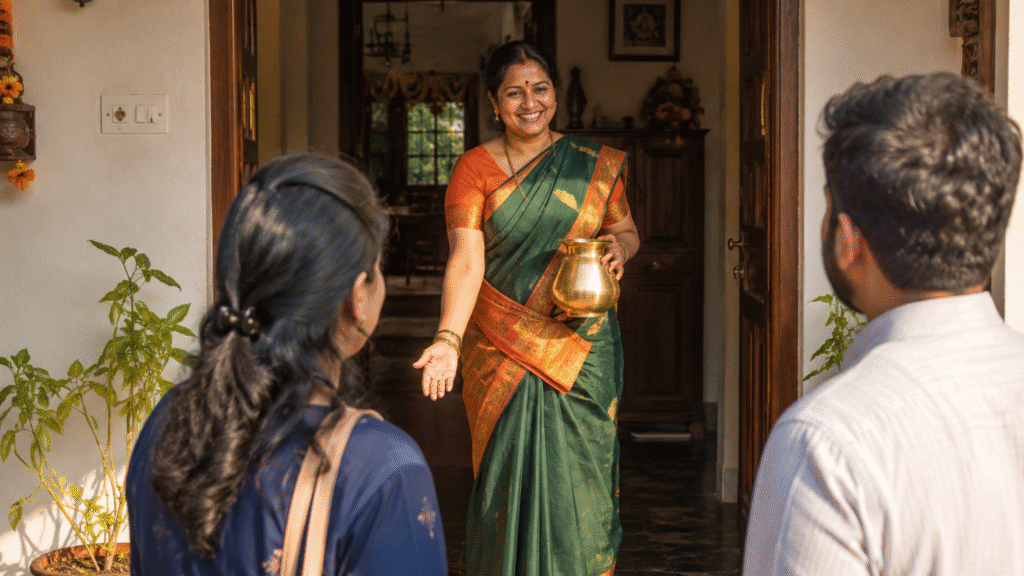
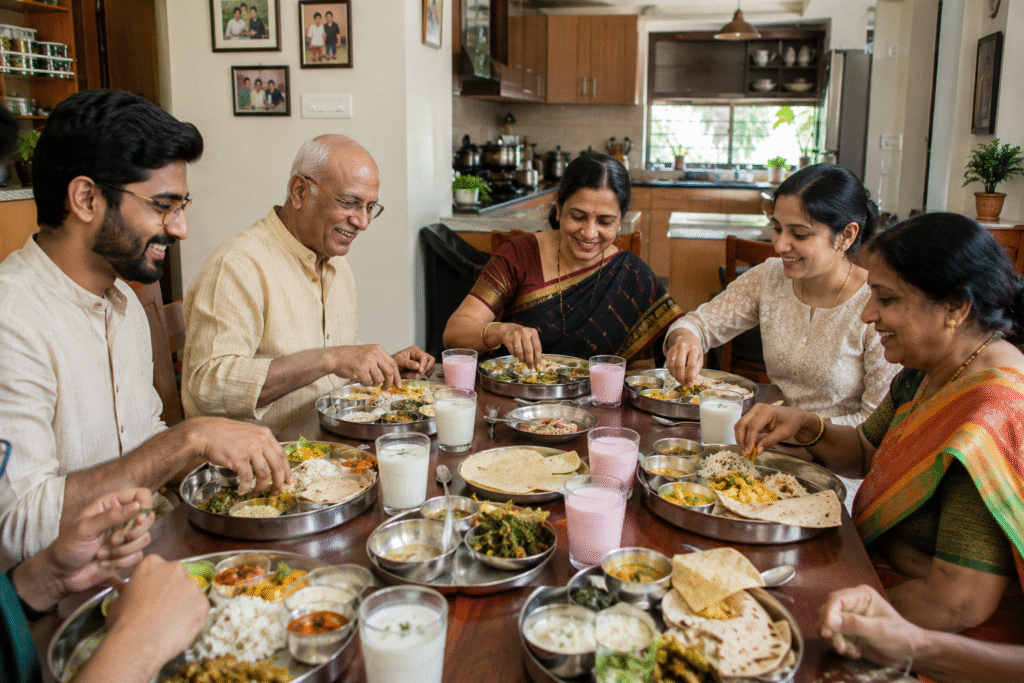
The Art of Serving Guests: Timeless Maharashtrian Hospitality Traditions “Pahile paani ghya…” (“First, have some water.”) If you’ve ever stepped into a Maharashtrian home, you’ve probably heard these words before you’ve even settled into your seat. Within minutes, a glass of water is followed by tea, homemade snacks, and the inevitable question, “Ajun thoda ghya na?” (“Please have a little more.”) Even after politely insisting you’re full, another serving somehow appears on your plate. It isn’t persuasion. It’s affection. Across Maharashtra, hospitality has never been measured by the size of the house or the number of dishes served. Instead, it has always been measured by one simple question: “Did our guest leave happy?” Long before hospitality became an industry, it was simply a way of life. These traditions continue to shape family gatherings, festive meals, weddings, and even modern Maharashtrian catering today. Atithi Devo Bhava: A Guest Is Like God The philosophy of “Atithi Devo Bhava” isn’t unique to Maharashtra, but Maharashtrian homes have quietly lived by it for generations. Guests are never considered an inconvenience. They are welcomed as blessings. Whether someone arrives with prior notice or unexpectedly in the afternoon, the first instinct is never, “Do we have enough food?” It’s, “Let’s make something quickly.” Sometimes that means fresh pohe. Sometimes it means hot tea with homemade chivda. Sometimes yesterday’s vegetables are transformed into a delicious new meal. Hospitality isn’t about abundance. It’s about making people feel they belong. Serving Guests Before Yourself One of the most beautiful customs still found in many Maharashtrian households is that the host eats last. The family’s attention remains on the guests. Is everyone comfortable? Does anyone need more bhaji? Should another chapati be served? Has everyone tasted the sweet? Only after every guest is satisfied do the hosts sit down to eat. This quiet act reflects something deeply rooted in Maharashtrian culture: Serving is considered an honour, not a duty. Why “One More Serving” Is Almost Mandatory Anyone who has attended a Maharashtrian wedding or visited a relative knows that saying “No, thank you” rarely ends the conversation. “Thoda ajun ghya.” “Just one more puran poli.” “A little more amti?” To an outsider, it may seem persistent. To Maharashtrians, it’s simply how affection is expressed. Food becomes the language of care. The second helping isn’t about quantity. It’s reassurance that the guest is truly welcome. The Importance of Serving Fresh and Hot In many Maharashtrian homes, food is rarely prepared hours in advance and left waiting. Chapatis are served fresh. Bhakris come straight off the tava. Dal is tempered just before lunch. Rice is fluffed moments before serving. The belief is simple: Hot food carries warmth beyond temperature. It tells the guest, “You were worth waiting for.” This philosophy continues to influence traditional Maharashtrian wedding catering, where freshly prepared food remains one of the most appreciated aspects of a meal. Every Place on the Plate Has a Purpose A Maharashtrian thali isn’t simply arranged for visual appeal. It follows a thoughtful order developed over generations. Salt sits at the top. Pickles and chutneys stay along the edge. Dry vegetables and curries each have their place. Rice occupies the centre. The sweet is served separately, allowing every flavour to shine. This arrangement isn’t accidental. It balances taste, digestion, and convenience while reflecting the discipline found in traditional Maharashtrian kitchens. Carrying Traditions into Weddings and Celebrations These customs don’t disappear when meals become larger. In weddings, naming ceremonies, anniversaries, and community gatherings, the same principles remain. Guests are welcomed warmly. Food is served generously. Refills are offered with genuine enthusiasm. The goal isn’t to impress with extravagance. It’s to ensure every guest leaves with fond memories of both the meal and the people behind it. This is why authentic Maharashtrian catering continues to resonate across generations. It preserves not just recipes, but values. Why These Traditions Still Matter Today Modern lifestyles have changed the way we gather. Meals are often quicker. Families are smaller. Schedules are busier. Yet these traditions continue because they answer something timeless. Everyone wants to feel welcomed. Everyone remembers being cared for. Long after guests forget the exact menu, they remember the warmth with which they were served. Hospitality leaves a deeper impression than decoration ever can. The Thali Moments Approach At Thali Moments, these traditions inspire every event we cater. Whether we’re serving a wedding, a family celebration, a corporate gathering, or customised meal trays, our approach begins with the same principle found in every Maharashtrian home: every guest deserves to feel genuinely welcomed. Our team prepares authentic Maharashtrian and Indian cuisine using fresh ingredients, traditional recipes, and cooking methods that never rely on soda or harmful additives. Every meal is prepared in hygienic kitchens by medically certified and trained staff, with strict cleanliness protocols followed from preparation to service. Combined with timely delivery and thoughtfully curated menus, we strive to offer more than great food—we create an experience that reflects the warmth and generosity of Maharashtrian hospitality. Because at Thali Moments, serving food isn’t just our profession. It’s our way of welcoming people. Also Read How to Serve an Authentic Maharashtrian Thali: What Goes Where on the Plate Inside a Wedding Kitchen: How We Prepare for 500 Guests and Still Keep It Authentic Share On Recent Posts
Food Safety in Corporate Catering: What Businesses Should Expect
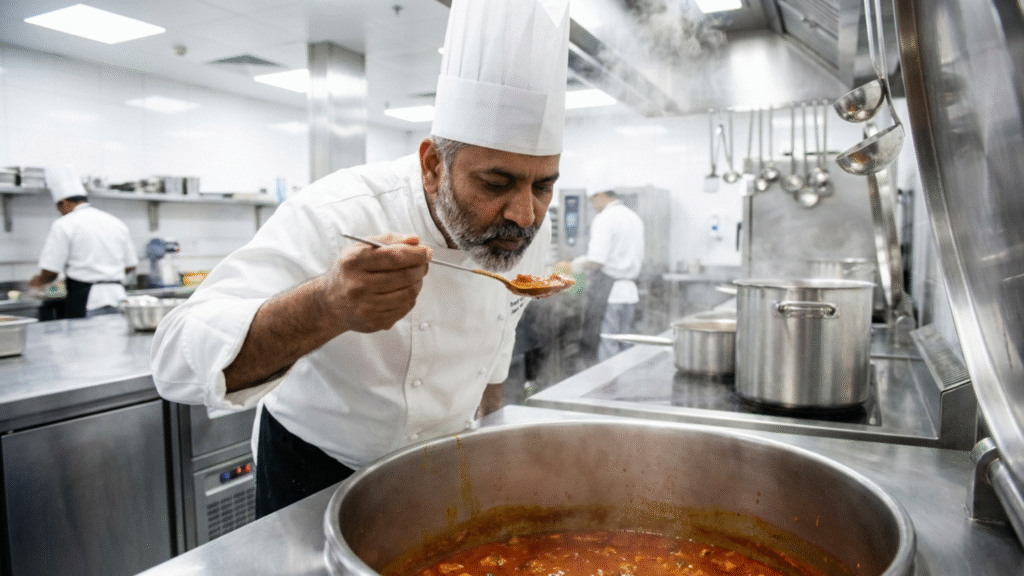
Food Safety in Corporate Catering: What Businesses Should Expect Food safety is not just a regulatory requirement—it is a responsibility. In corporate catering, where meals are served daily to large teams, maintaining hygiene and safety standards is essential. Companies searching for corporate catering in Pune should prioritise food safety as much as taste. Why Food Safety Matters Unsafe food handling can lead to health risks, reduced employee trust, and operational disruptions. Even minor lapses can have large consequences in corporate environments. Food safety ensures: employee well-being consistent quality long-term reliability Clean Kitchens and Processes A professional catering service operates with structured hygiene practices: sanitized kitchen spaces proper storage systems clean cooking equipment Cleanliness is not occasional—it is continuous. Trained and Certified Staff Food handlers must be trained in hygiene and medically fit. This ensures safe food preparation and reduces contamination risks. Companies should always verify: staff health certifications hygiene training kitchen discipline Safe Food Handling and Transport Food safety does not end in the kitchen. Transport plays a major role. Meals must be: stored at correct temperatures transported in sealed containers delivered quickly to avoid spoilage Avoiding Harmful Additives Some caterers use shortcuts like soda or artificial additives to speed up cooking. These affect both taste and health. Quality catering relies on proper cooking methods—not shortcuts. Consistency Is Safety Safe food is not just clean—it is consistently clean. Every batch, every meal, every day. This is what defines professional office catering services. The Thali Moments Approach At Thali Moments, food safety is built into every step of our process. Our kitchens follow strict cleanliness protocols, and our staff are medically certified and trained in safe food handling. We do not use soda or harmful additives in our cooking. Every meal is prepared with fresh ingredients, handled carefully, and delivered in hygienic conditions. Whether it is corporate catering, meal trays, or event services, our focus remains on safe, clean, and dependable food that organisations can trust every day. Share On Recent Posts
Office Food & Employee Retention: The Link Companies Often Miss
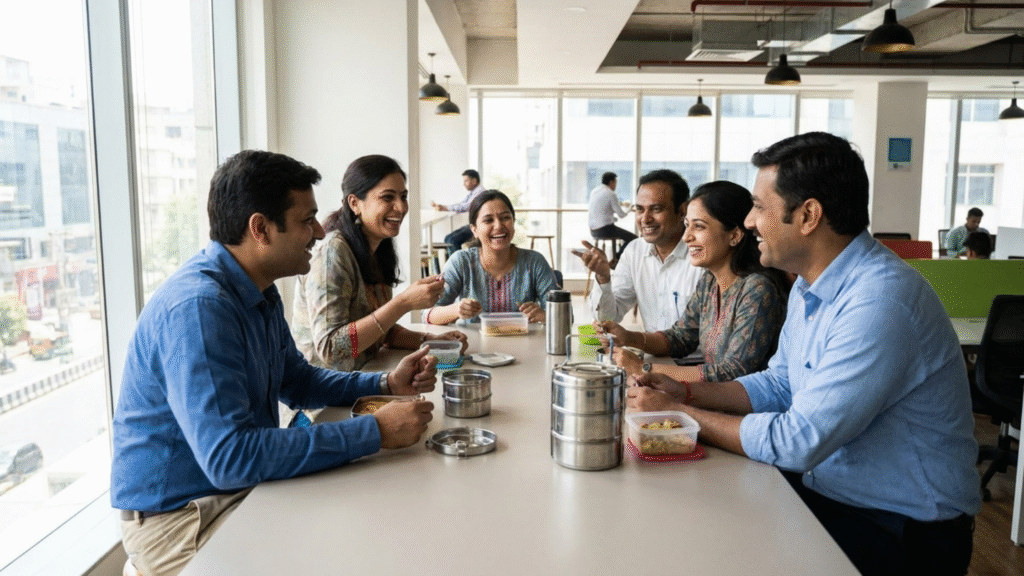
Office Food & Employee Retention: The Link Companies Often Miss Employee retention is often discussed in terms of salaries, leadership, and growth opportunities. But one of the most consistent daily touchpoints in any workplace is far simpler—food. Office meals may seem like a small operational detail, but over time, they play a quiet yet powerful role in shaping how employees feel about their workplace. Food as a Daily Experience Unlike annual appraisals or occasional team outings, food is experienced every single day. It becomes part of the routine. When meals are timely, balanced, and satisfying, they create a sense of stability. When they are not, frustration builds quickly. Employees may not explicitly mention it, but poor food quality or inconsistent service affects mood, energy, and even perception of the organisation. Familiarity Builds Comfort In a workplace, food is not meant to surprise—it is meant to support. Familiar, well-cooked meals help employees settle into their day without distraction. Traditional Indian meals work particularly well because they provide balance: grains for energy dals for protein vegetables for nutrition curd or buttermilk for digestion This structure helps employees feel full without feeling heavy. The Emotional Side of Food Food communicates care. A warm, timely meal signals that the organisation values employee well-being. Over time, this contributes to retention in subtle ways: employees feel looked after daily routines become smoother workplace comfort increases These small factors often influence long-term decisions more than companies expect. Energy and Productivity Heavy, oily, or inconsistent meals can lead to fatigue. Balanced meals, on the other hand, help maintain steady energy levels throughout the day. Good corporate catering in Pune focuses on this balance—food that fuels work, not slows it down. Shared Meals Build Culture Lunch breaks are one of the few moments where teams interact informally. These interactions build trust, ease communication, and strengthen relationships. A good meal setup encourages people to sit together, talk, and disconnect briefly from work stress. Why This Impacts Retention Retention is not built in one moment. It is built through repeated, everyday experiences. Reliable office catering services contribute to: employee satisfaction better workplace atmosphere reduced daily friction Over time, these factors influence whether employees stay or leave. The Thali Moments Approach At Thali Moments, we design corporate catering with this long-term impact in mind. Our services include daily office meals, event catering, meal trays, and customised menus tailored for workplace needs. We focus on balanced Maharashtrian and Indian meals, prepared without harmful additives, handled by medically trained staff, and delivered on time. Our kitchens follow strict hygiene protocols, ensuring consistency and reliability. For us, office food is not just a service—it’s a daily experience that supports teams and helps organisations create a better workplace. Share On Recent Posts