
How Much Food Should You Plan Per Guest? A Complete Catering Guide
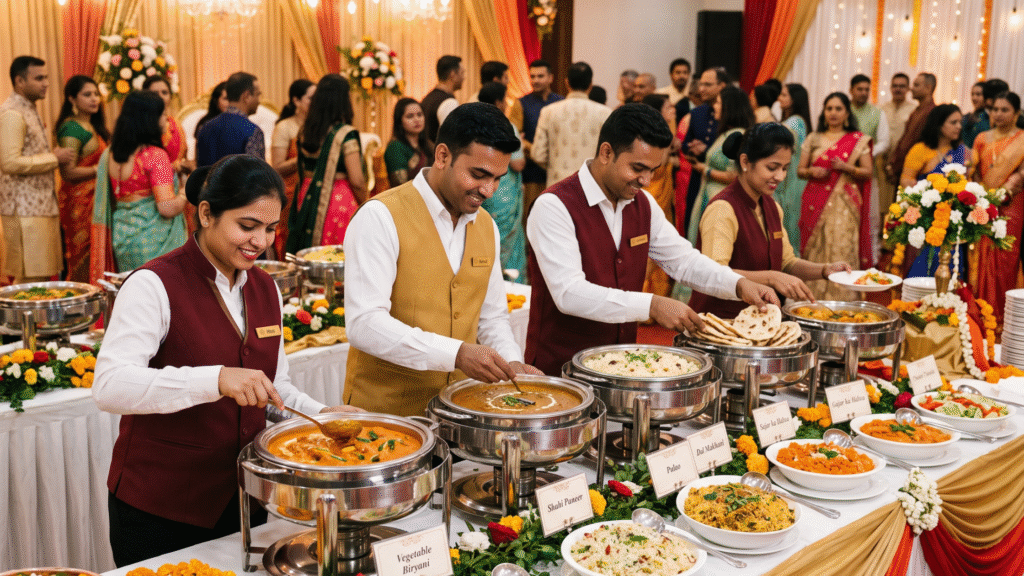
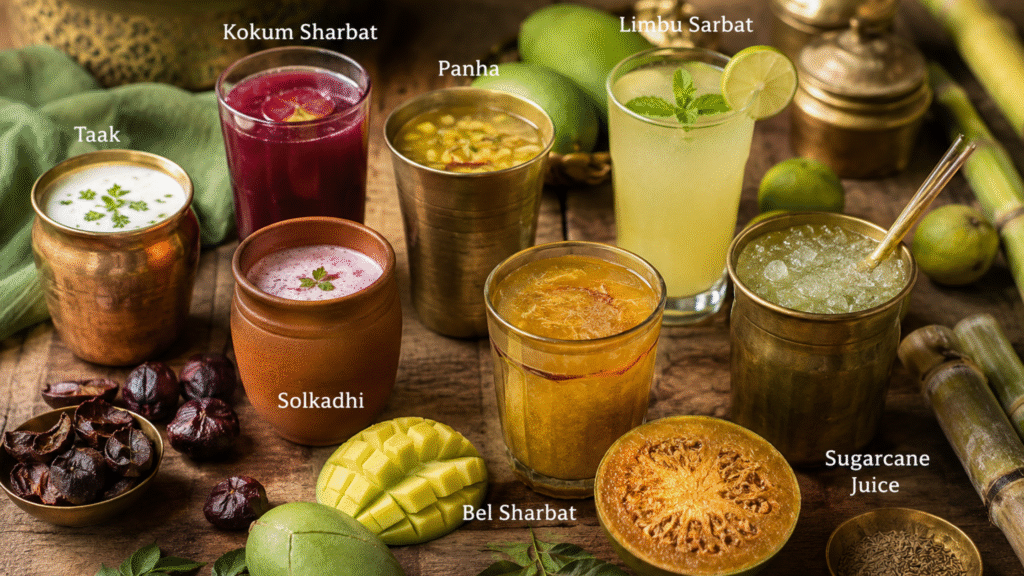
Traditional Drinks That Naturally Cool the Body: Maharashtra’s Timeless Summer Refreshments One of the biggest questions people ask while planning an event is surprisingly simple: “Will the food be enough?” Whether it’s a wedding, birthday celebration, housewarming, corporate event, or anniversary, no host wants to run out of food. At the same time, preparing far more than needed can lead to unnecessary waste and higher costs. Finding the right balance isn’t about guesswork. Experienced caterers consider several factors before deciding how much food to prepare. Here’s what goes into planning the perfect quantity for your event. It Starts with the Guest List The number of invited guests is only the starting point. The more important question is: How many people are actually expected to attend? For weddings, attendance is often between 75% and 90% of invitations, depending on the venue and location. For corporate events, RSVP numbers are usually more accurate. Family functions often have a higher attendance rate because guests are closely connected to the hosts. An experienced caterer helps estimate realistic attendance instead of planning only around invitations. The Type of Event Makes a Difference A meal served at 1:00 PM is very different from one served at 5:00 PM. Lunch and dinner events usually require complete meal portions. Breakfast gatherings focus more on lighter dishes. Tea-time events often prioritise snacks, beverages, and desserts. Matching the menu to the timing helps improve both guest satisfaction and food utilisation. Time of Day Matters Every Maharashtrian childhood has memories of Kairi Panha during the scorching summer months. Prepared using raw mangoes, jaggery or sugar, cardamom, and saffron, Panha strikes the perfect balance between sweet and tangy. Traditionally, it was also believed to help prevent heat exhaustion, making it an essential part of summer meals. The Menu Influences Consumption Not every dish is consumed equally. Guests may happily take second helpings of a favourite dessert while skipping a particular vegetable preparation. Similarly, live counters often become popular attractions and naturally reduce the quantity consumed from the buffet. An experienced caterer balances: Starters Main course Rice Breads Desserts Beverages so that every section complements the others. Consider Your Guest Profile The guest list itself provides valuable clues. Ask yourself: Will many children attend? Is it mostly working professionals? Are there senior citizens? Are there guests with dietary preferences? Families with young children often consume smaller meal portions. Corporate events may require healthier menu options. Traditional family functions generally see stronger interest in regional favourites. Understanding your audience helps create a menu that people genuinely enjoy. Avoid Planning for “Just in Case” A common mistake is preparing significantly more food “just to be safe.” While having a small buffer is sensible, excessive quantities often result in avoidable food waste. Professional caterers typically maintain a planned safety margin while carefully managing preparation schedules, ensuring there is enough food without producing unnecessary surplus. The goal isn’t to cook the most food. It’s to serve the right amount. Work with an Experienced Caterer Food planning involves much more than multiplying guest numbers. Professional caterers consider: Attendance patterns Event duration Menu complexity Serving style Portion sizes Refill schedules Kitchen logistics These details come from experience and are often what separate a smooth event from a stressful one. Quality Always Matters More Than Quantity Guests rarely remember exactly how many dishes were on the menu. They remember whether the food was: Fresh Hot Flavourful Served on time Available throughout the event A thoughtfully planned menu with excellent execution almost always leaves a stronger impression than an oversized buffet. Successful catering isn’t measured by overflowing serving bowls at the end of the function. It’s measured by satisfied guests, efficient service, and minimal waste. Careful planning ensures everyone enjoys the meal while helping hosts make the best use of their budget. When food is planned thoughtfully, everyone wins—the hosts, the guests, and the environment. At Thali Moments, every event begins with careful planning. We work closely with our clients to understand the occasion, expected guest count, menu preferences, and serving style before recommending the right food quantities. This ensures that every celebration has enough freshly prepared food while avoiding unnecessary waste. Whether we’re catering intimate family gatherings, weddings, corporate events, or festive celebrations across Pune, our focus remains on authentic Maharashtrian cuisine, hygienic preparation, timely service, and thoughtfully curated menus. Every dish is prepared using fresh ingredients without harmful additives by medically certified staff who follow strict cleanliness standards. Because successful catering isn’t about serving more—it’s about serving just right. Also Read 8 Forgotten Maharashtrian Recipes That Deserve a Comeback The Art of Serving Guests: Timeless Maharashtrian Hospitality Traditions Share On Recent Posts
Traditional Drinks That Naturally Cool the Body: Maharashtra’s Timeless Summer Refreshments
Vegetarian Catering Done Right: How Maharashtrian Food Gets It Perfect Vegetarian food often gets boxed into two extremes—either too plain or unnecessarily complicated. Maharashtrian cuisine sits comfortably in between. It proves, quietly and confidently, that vegetarian food can be deeply satisfying without excess. That’s why it works so well for weddings, corporate events, and large gatherings. Variety Without Overload A traditional Maharashtrian menu offers contrast without chaos. Dry sabzis, wet gravies, dals, rice, breads, sides, and a sweet—each plays a role. No dish fights for attention. Everything belongs. This balance keeps guests comfortable even after a full meal. Protein Without Pretending Maharashtrian vegetarian food doesn’t try to imitate meat. Protein comes naturally—from dals, usals, besan, peanuts, and curd-based dishes. The result is food that feels complete, not compensatory. For large events, this matters. Guests leave full, not heavy. Spices That Support, Not Dominate Unlike cuisines that rely on heavy cream or overpowering masalas, Maharashtrian food uses spice with restraint. Goda masala, coconut, cumin, hing, and jaggery are used to enhance—not mask—ingredients. This makes the food universally appealing, even to guests unfamiliar with the cuisine. Sattvik, Yet Celebratory Many Maharashtrian wedding meals follow sattvik principles—no onion, no garlic—yet feel festive and indulgent. This inclusivity allows everyone to eat comfortably, regardless of dietary preferences or rituals. It’s one of the reasons Maharashtrian food works so well for mixed gatherings. Scales Beautifully Vegetarian Maharashtrian food scales without losing integrity. A varan for 20 people tastes the same when cooked for 200—provided the method is respected. That consistency is gold in catering. Why Guests Remember It People may not remember fancy dish names, but they remember how food made them feel. Maharashtrian vegetarian food leaves guests satisfied, light, and content—and that’s a rare achievement. At Thali Moments, this philosophy guides every menu we design. Vegetarian food isn’t a limitation. Done right, it’s a strength. At Thali Moments, this understanding of vegetarian food shapes everything we cook. Our menus are designed to respect tradition while serving large gatherings with consistency and care. From simple varan-bhaat to elaborate wedding thalis, we focus on balance, freshness, and familiarity. It’s why our vegetarian catering in Pune doesn’t feel like a compromise—it feels complete. Because when food is rooted in culture, it naturally satisfies everyone at the table. Share On Recent Posts
Vegetarian Catering Done Right: How Maharashtrian Food Gets It Perfect
Vegetarian Catering Done Right: How Maharashtrian Food Gets It Perfect Vegetarian food often gets boxed into two extremes—either too plain or unnecessarily complicated. Maharashtrian cuisine sits comfortably in between. It proves, quietly and confidently, that vegetarian food can be deeply satisfying without excess. That’s why it works so well for weddings, corporate events, and large gatherings. Variety Without Overload A traditional Maharashtrian menu offers contrast without chaos. Dry sabzis, wet gravies, dals, rice, breads, sides, and a sweet—each plays a role. No dish fights for attention. Everything belongs. This balance keeps guests comfortable even after a full meal. Protein Without Pretending Maharashtrian vegetarian food doesn’t try to imitate meat. Protein comes naturally—from dals, usals, besan, peanuts, and curd-based dishes. The result is food that feels complete, not compensatory. For large events, this matters. Guests leave full, not heavy. Spices That Support, Not Dominate Unlike cuisines that rely on heavy cream or overpowering masalas, Maharashtrian food uses spice with restraint. Goda masala, coconut, cumin, hing, and jaggery are used to enhance—not mask—ingredients. This makes the food universally appealing, even to guests unfamiliar with the cuisine. Sattvik, Yet Celebratory Many Maharashtrian wedding meals follow sattvik principles—no onion, no garlic—yet feel festive and indulgent. This inclusivity allows everyone to eat comfortably, regardless of dietary preferences or rituals. It’s one of the reasons Maharashtrian food works so well for mixed gatherings. Scales Beautifully Vegetarian Maharashtrian food scales without losing integrity. A varan for 20 people tastes the same when cooked for 200—provided the method is respected. That consistency is gold in catering. Why Guests Remember It People may not remember fancy dish names, but they remember how food made them feel. Maharashtrian vegetarian food leaves guests satisfied, light, and content—and that’s a rare achievement. At Thali Moments, this philosophy guides every menu we design. Vegetarian food isn’t a limitation. Done right, it’s a strength. At Thali Moments, this understanding of vegetarian food shapes everything we cook. Our menus are designed to respect tradition while serving large gatherings with consistency and care. From simple varan-bhaat to elaborate wedding thalis, we focus on balance, freshness, and familiarity. It’s why our vegetarian catering in Pune doesn’t feel like a compromise—it feels complete. Because when food is rooted in culture, it naturally satisfies everyone at the table. Share On Recent Posts
From Summer Thalis to Winter Feasts: The Art of Seasonal Catering in Maharashtra
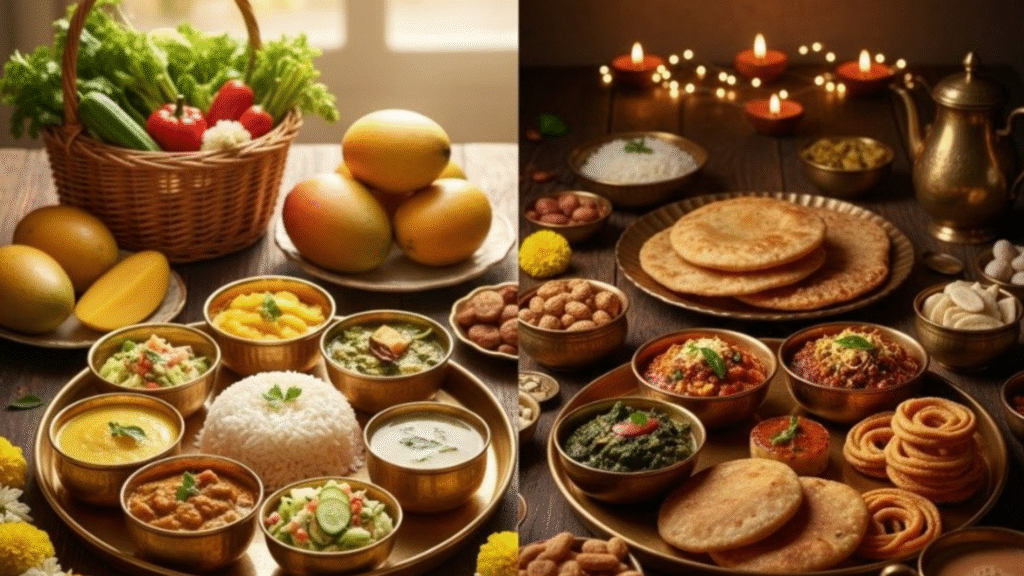
From Summer Thalis to Winter Feasts: The Art of Seasonal Catering in Maharashtra A well-planned menu can turn any event into an experience. But here’s a secret the best caterers in Pune already know, great food is about timing. The same dish that delights guests in December might feel heavy in May. That’s why seasonal catering matters. When menus change with the weather, food feels fresher, more flavorful, and in harmony with the moment. Whether it’s a wedding, corporate gathering, or festive event, choosing seasonal ingredients brings both taste and comfort to the table. Summer: Keep It Fresh, Light, and Cooling Summer in Pune can be harsh, and guests naturally crave light, refreshing meals. A smart summer catering menu focuses on cooling foods and hydrating flavors. Popular summer choices include: Aam panna, solkadhi, and buttermilk for natural refreshment. Varan-bhaat, koshimbir, and aamras for a traditional yet balanced thali. Fresh fruit platters and chilled desserts like mango shrikhand. These dishes not only cool the body but also keep guests energized, perfect for outdoor events and mid-day functions. Monsoon: Comfort Food for Cozy Gatherings Once the rains arrive, the appetite changes. Guests crave warmth, spice, and comfort. Monsoon menus are a chance for caterers to bring out nostalgic, home-style dishes. Some of the best catering services near you in Pune will recommend: Kanda bhaji, pakoras, and batata vada with hot chai or masala taak. Hearty curries like pithla-bhakri or usals made from sprouted pulses. Warm desserts like moong dal halwa or gulab jamun. The aroma of frying snacks and steaming curries creates the perfect backdrop for rainy-day celebrations. Winter: Rich, Festive, and Flavorful Winter is Pune’s favorite season for celebrations such as weddings, corporate events, and family gatherings fill the calendar. It’s also the season for indulgent food. Menus that shine in winter include: Puran poli, tilgul laddoos, and ghee-soaked sweets for festive warmth. Methi bhaji, harbhara usal, and lasun chutney for earthy flavor. Varan-bhaat, thecha, and bhakri for authentic Maharashtrian comfort. Cool weather calls for heartier spreads and deeper flavors, the kind that make guests linger over the meal a little longer. Why Seasonal Menus Just Work There’s a reason seasoned event caterers swear by seasonal planning: Better Taste – Fresh, local produce always beats stored or out-of-season ingredients. Healthier Meals – Seasonal foods naturally suit your body’s needs for the time of year. Cost Efficiency – Local sourcing keeps quality high and costs practical. Memorable Experiences – Guests remember when the food feels “just right.” No matter the occasion, food that matches the weather leaves a lasting impression and often, empty plates. Thali Moments: Rooted in Season, Crafted with Care At Thali Moments, we believe in letting the season guide the menu. Our catering in Pune celebrates Maharashtrian flavors at their freshest; from summer aamras and monsoon bhajis to winter puran polis. Whether you’re planning a wedding, festive event, or corporate gathering, our menus are designed around freshness, balance, and authenticity. Because great catering isn’t about repeating dishes; it’s about reading the season. In a nutshell Seasons change, and so should your menu. From cool drinks in summer to warm curries in winter, every event feels better when the food fits the weather. So, the next time you search for the best catering services near me or event caterers in Pune, remember, the perfect caterer isn’t just one who cooks well, but one who cooks with the season. Share On Recent Posts
How to Plan a Stress-Free Catered Event in Pune
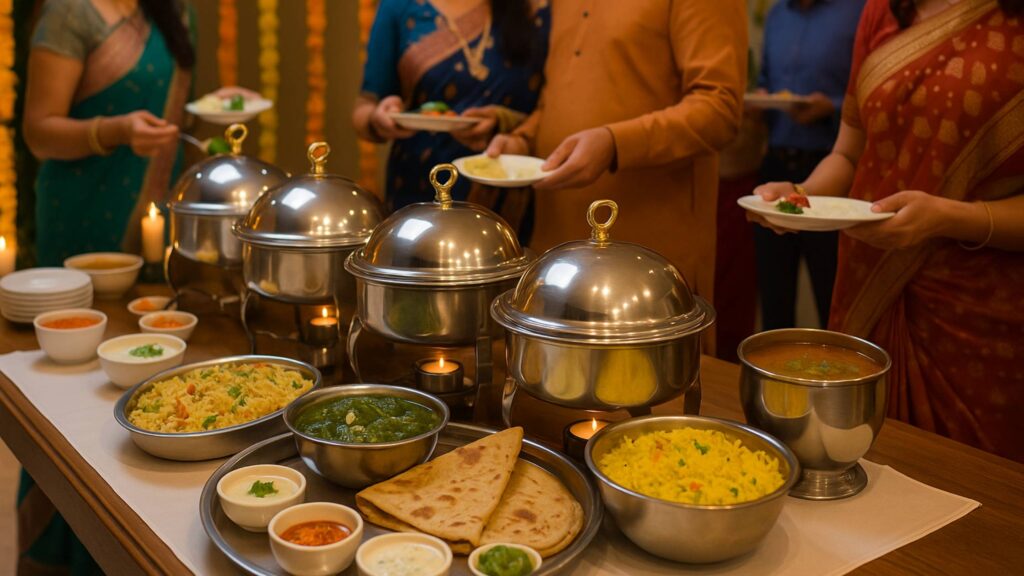
How to Plan a Stress-Free Catered Event in Pune We all host events for celebrating our small and large milestones. But planning an event should feel exciting, not overwhelming. Whether it’s a corporate gathering, a family function, or a wedding celebration, food often becomes the heart of the occasion. Guests remember how they were fed, and for hosts, the catering can either make the day smooth or stressful. The good news? With the right approach, hosting an event in Pune can be effortless and memorable. 1. Start with the Guest List Everything begins here. The number of guests determines the menu, portions, and style of catering. Are you inviting 50 people or 500? Corporate lunches often run smoother with compact menus, while weddings or milestone celebrations call for an elaborate spread. Having a clear headcount early helps your caterer plan without last-minute panic. 2. Choose the Right Catering Style In Pune, hosts typically choose between buffet, sit-down thalis, or a mix of live counters and plated meals. Buffet style works best for large gatherings where flexibility matters. Sit-down thali service offers a traditional and personal touch, especially at cultural or family functions. Hybrid setups with live counters (chaat, dosa, mocktails) add excitement to the event. The choice depends on your event’s mood – formal, festive, or casual. 3. Plan the Menu Around the Season A well-thought-out seasonal menu makes the event memorable and comfortable for guests. In Pune’s summers, cooling dishes like Aamras, Solkadhi, or buttermilk add freshness. Winters invite rich gravies, festive sweets, and hot snacks like Kothimbir Vadi or pakoras. Local caterers often suggest the best combinations because they know what works for both climate and culture. 4. Keep Logistics in Mind Food is not just about flavours, it’s also about flow. ‘How’ the food reaches the event matters. Venue layout, service counters, and staff coordination matter just as much. In smaller indoor venues, a thali service avoids crowding, while in open lawns, buffets and live counters keep people moving smoothly. Discussing these details early with your caterer saves stress on the event day. 5. Factor-in Dietary Preferences Every guest list today comes with variety and their own preferences—vegetarian, vegan, Jain, or even health-conscious eaters. A thoughtful menu that includes at least a few options for everyone ensures no guest feels left out. Pune, being a city with a cosmopolitan crowd, makes this especially important. 6. Work with Trusted Local Caterers Perhaps the biggest stress-buster is choosing the right partner. A reliable caterer doesn’t just provide food—they bring experience, planning, and solutions to unexpected hiccups. Local Pune caterers also bring in regional expertise, ensuring authentic Maharashtrian flavours alongside modern favourites. A Smooth Event, A Happy Host At the end of the day, catering is not just about serving meals, it’s about creating moments where the host can relax, and the guests feel cared for. With the right planning and the right team, your event in Pune can be remembered not for the stress of organizing, but for the joy of celebrating. Share On Recent Posts