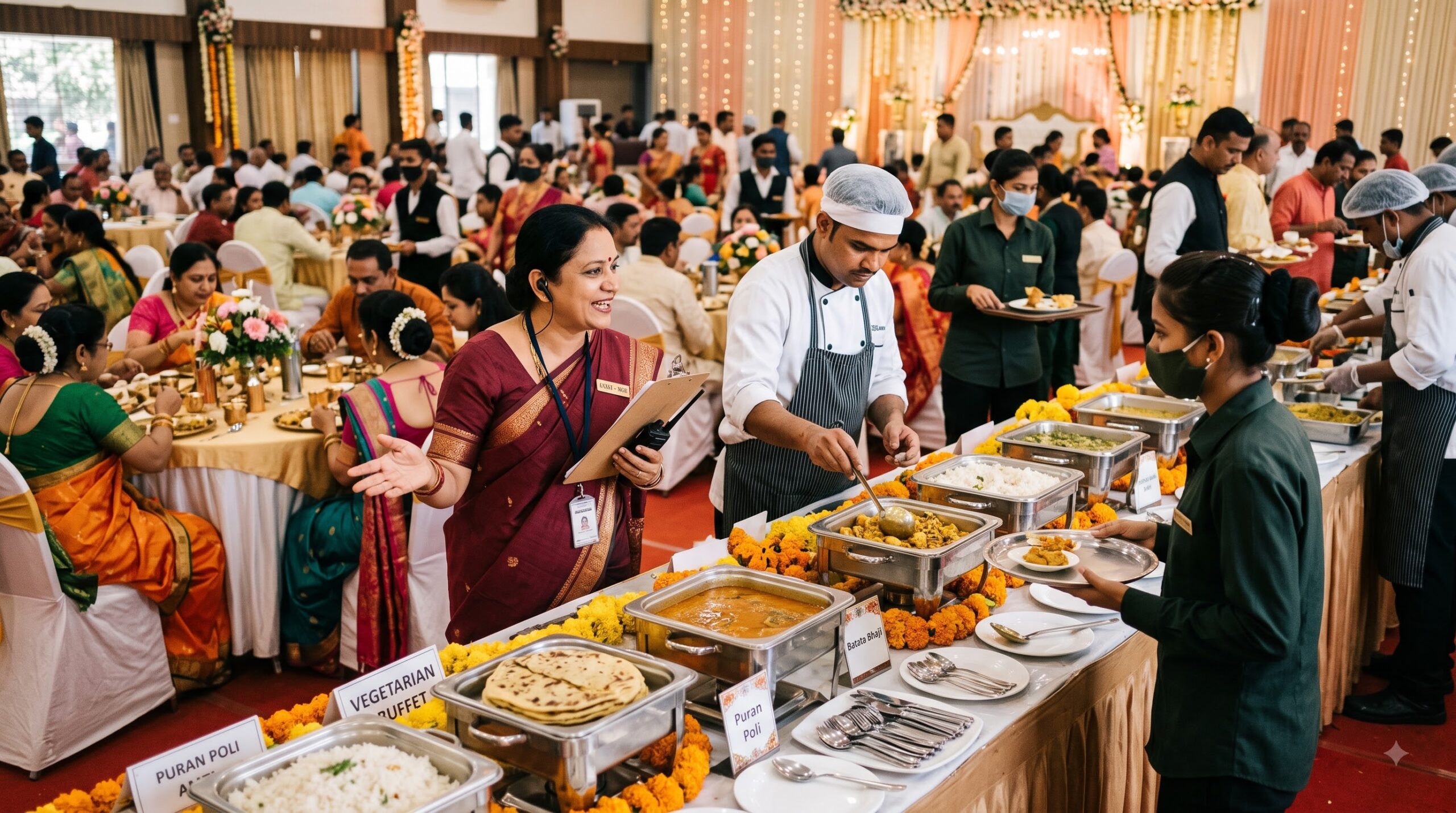
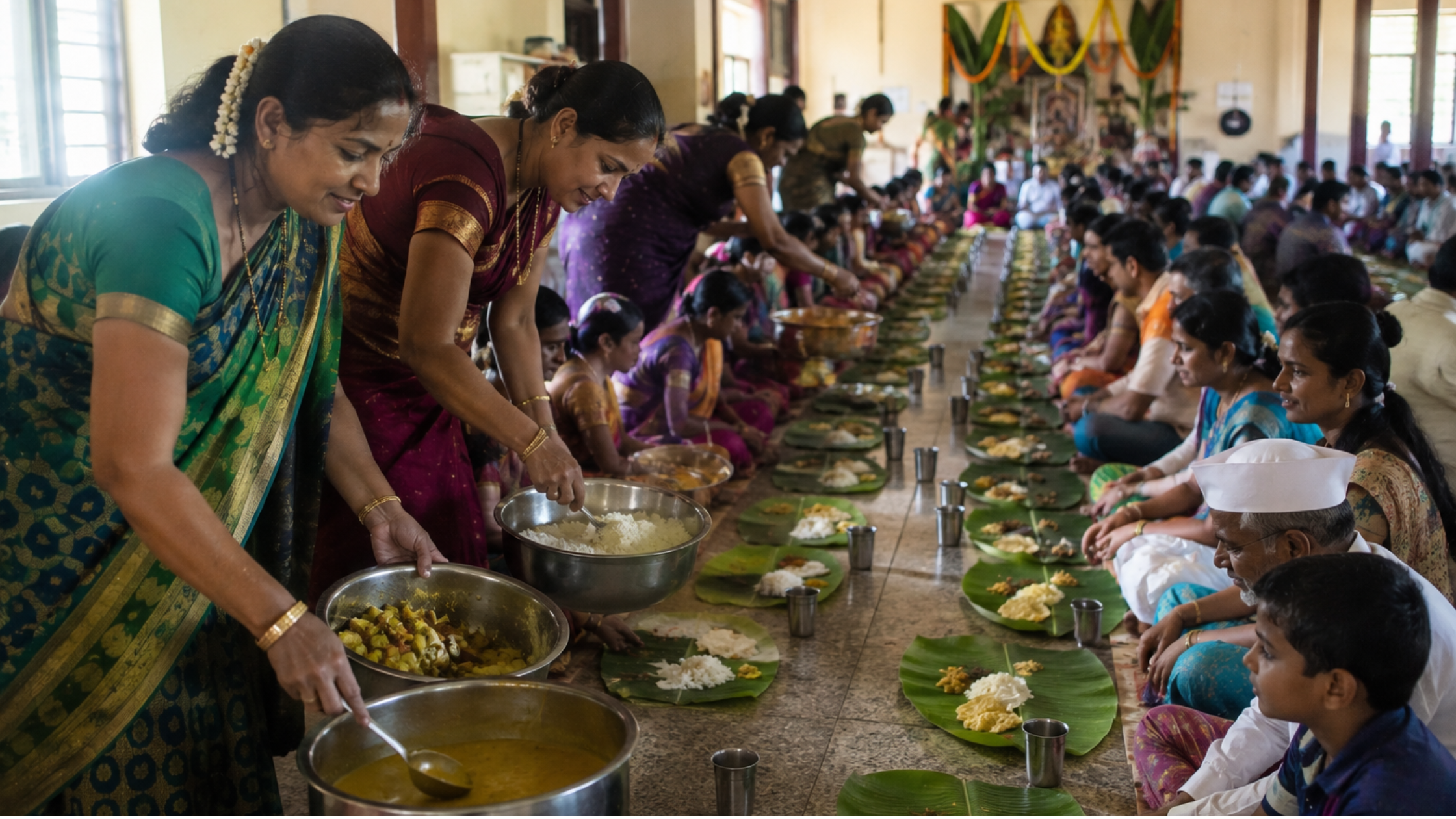
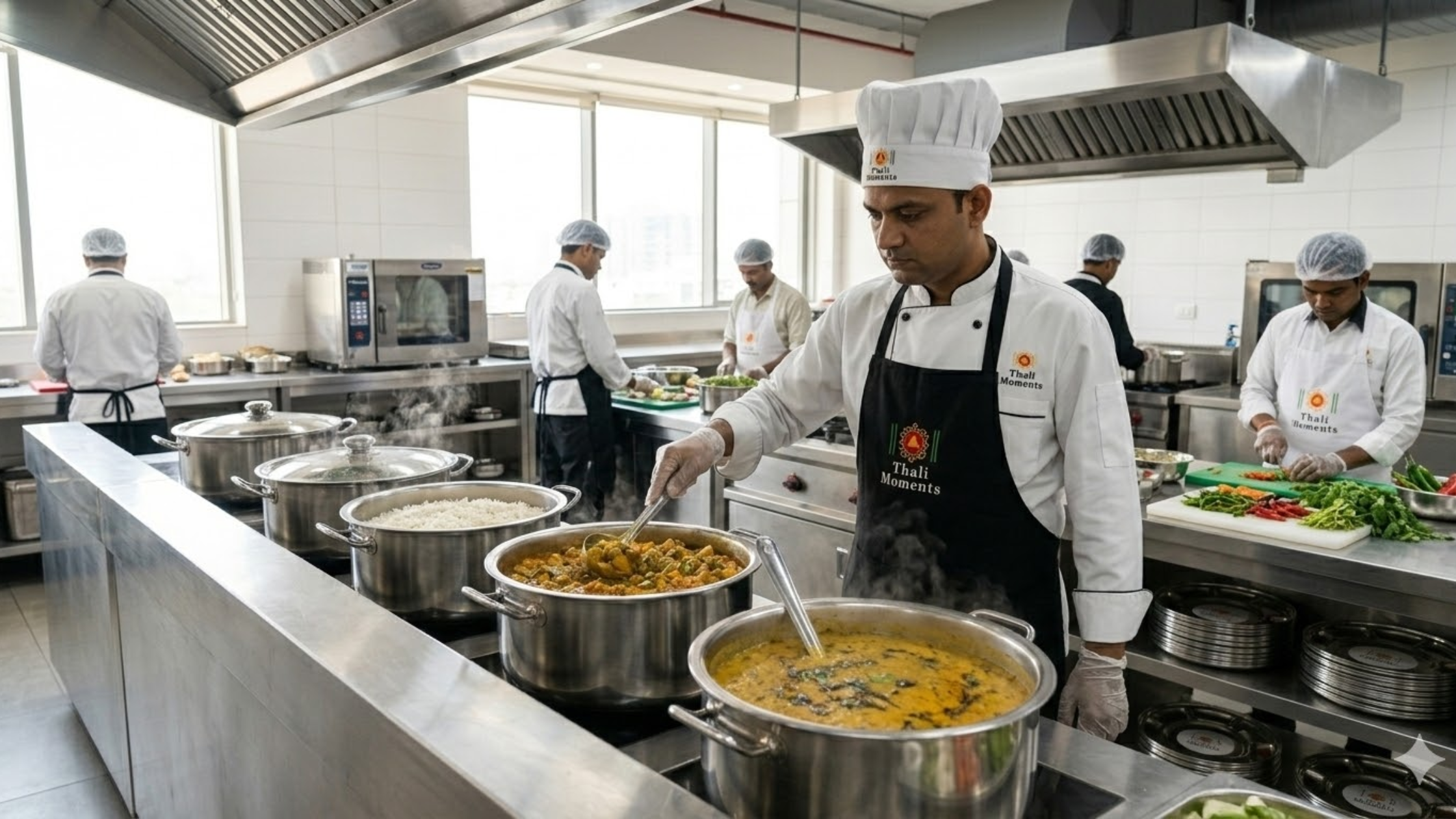
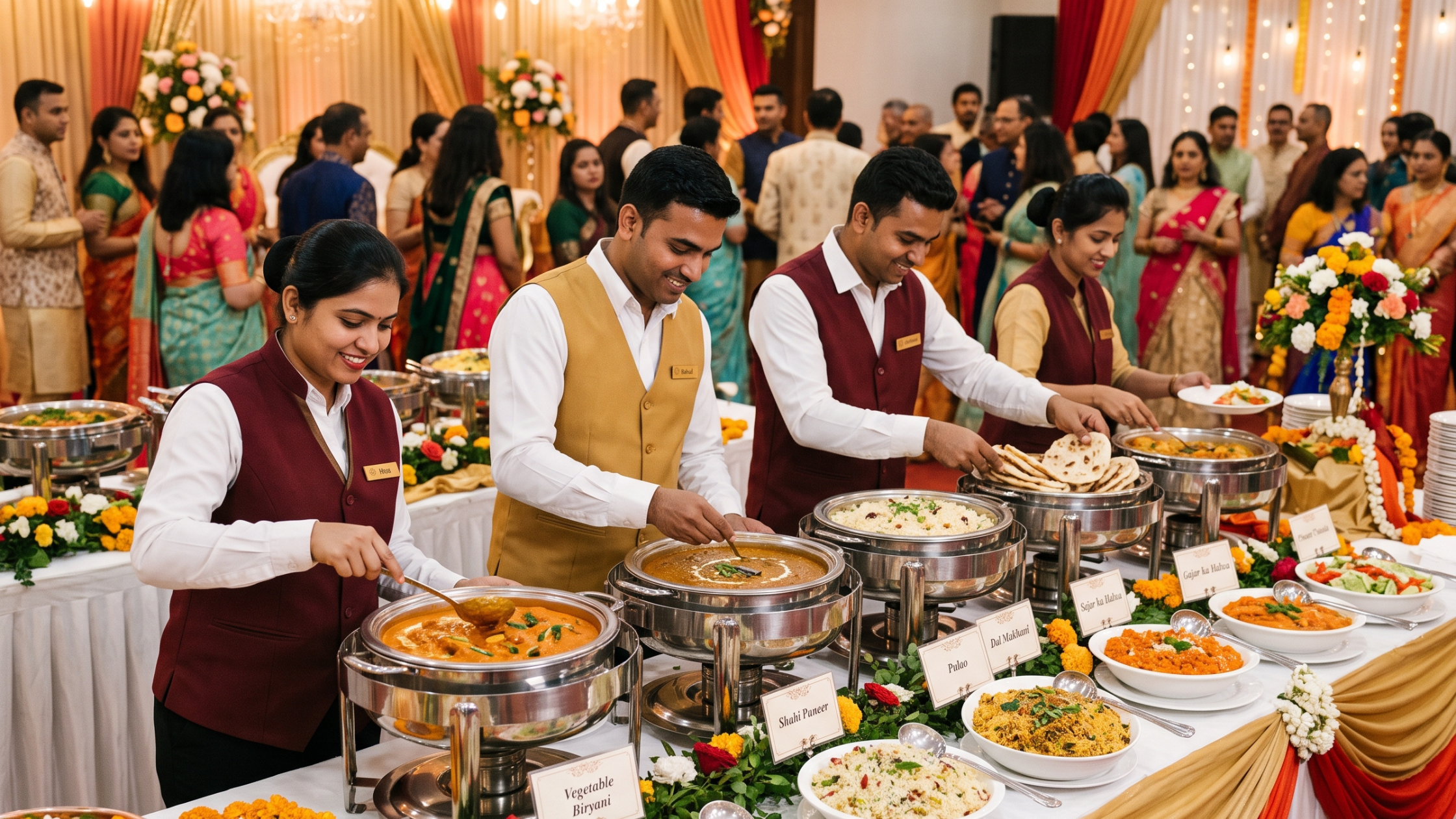
A wedding is scheduled for 1:00 PM. The menu is finalised, the ingredients have been purchased, the kitchen team is ready, and the venue has been prepared.
Then the phone rings.
The venue entrance is delayed.
Or the guest count has suddenly increased.
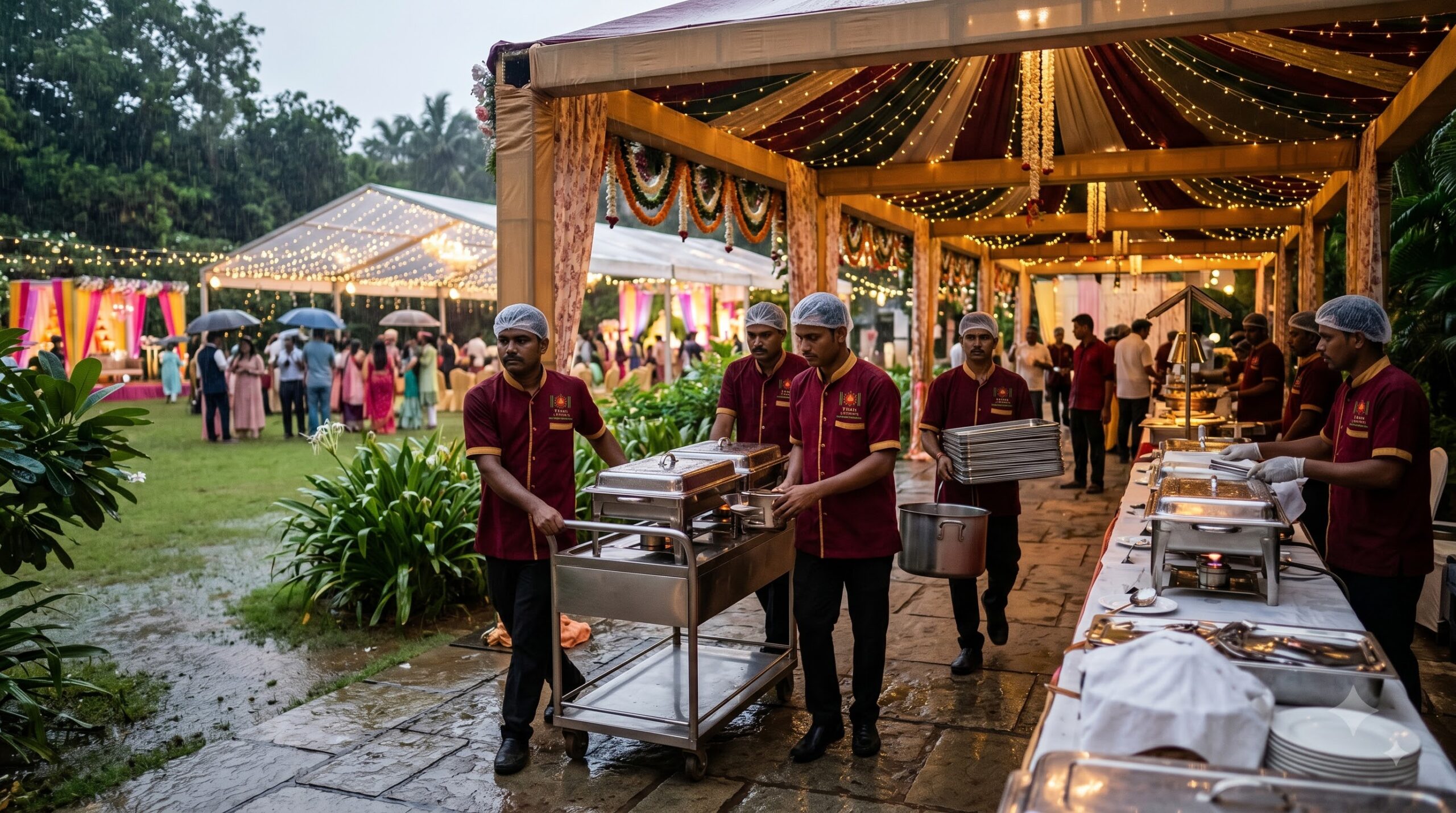
Or rain has started just as the outdoor service area is being set up.
For the host, these moments can feel like a crisis. For an experienced catering team, they are part of the job.
Successful event catering in Pune isn’t about expecting everything to go exactly according to plan. It is about having enough planning, experience and flexibility to handle the things that don’t.
Good Catering Starts With a Backup Plan
Most guests see the final meal. They don’t see the planning behind it.
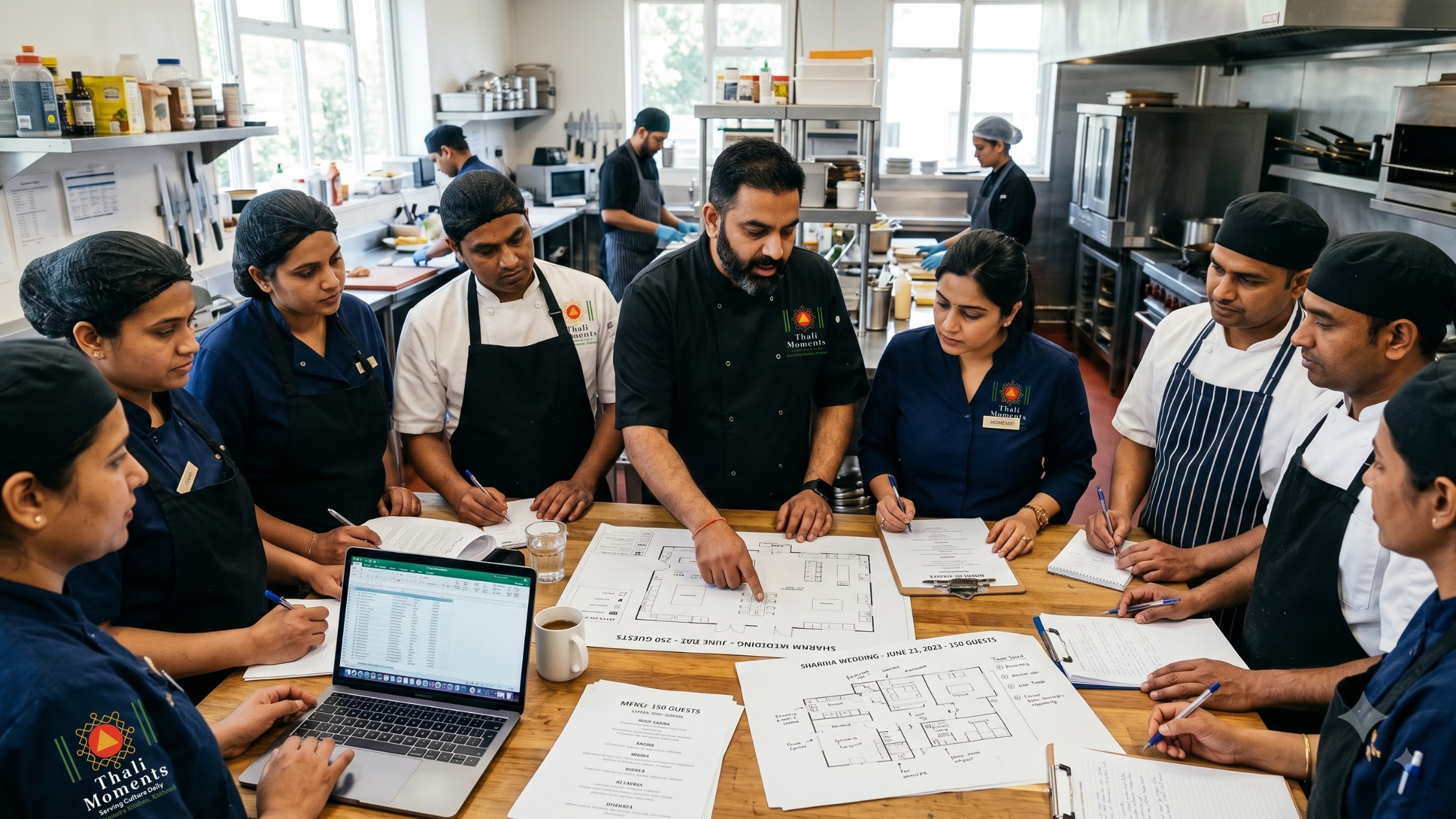
Before a large event begins, a professional catering team considers more than the menu and guest count. They look at the venue, access points, kitchen facilities, transportation, service timing, staffing and possible points of disruption.
The objective isn’t to predict every possible problem. That would require a rather heroic amount of crystal-ball work.
The objective is to identify the most likely risks and have a response ready.
That could mean keeping additional ingredients available, planning alternate transport routes, having extra serving staff on standby or ensuring that critical equipment has a backup.
What If More Guests Arrive?
One of the most common challenges in wedding catering is a guest count that changes at the last minute.
A few additional guests may not sound significant, but when several hundred people are being served, even a small increase can affect portions and replenishment.
Experienced caterers build a reasonable buffer into their food planning. They also monitor consumption during service rather than waiting until a dish is almost finished.
This is where understanding food quantities, guest behaviour and menu composition becomes important.
A good caterer doesn’t simply prepare “more food”. They plan intelligently.
When Transportation Doesn’t Go According to Plan
For off-site catering, the kitchen isn’t always next to the dining area.
Food needs to travel from the preparation kitchen to the venue while maintaining quality, temperature and timing.
Traffic, road closures, unexpected delays or venue access issues can affect that schedule.
Professional catering teams account for travel time, loading sequences and unloading priorities. Food isn’t simply packed and sent off. The movement of each component needs to be coordinated with the service schedule.
Because a dish arriving twenty minutes late isn’t particularly useful just because it was cooked perfectly.
Weather Can Change Everything
Outdoor events have their own set of challenges.
Rain can affect the serving area. Heat can influence food holding conditions. Strong winds can make temporary setups difficult.
This is especially relevant during Maharashtra’s monsoon season, when weather can change quickly.
A good catering plan therefore considers whether the venue has covered service areas, alternative spaces and suitable arrangements for food storage and service.
The best contingency plan is often the one guests never notice.
Last-Minute Menu Changes
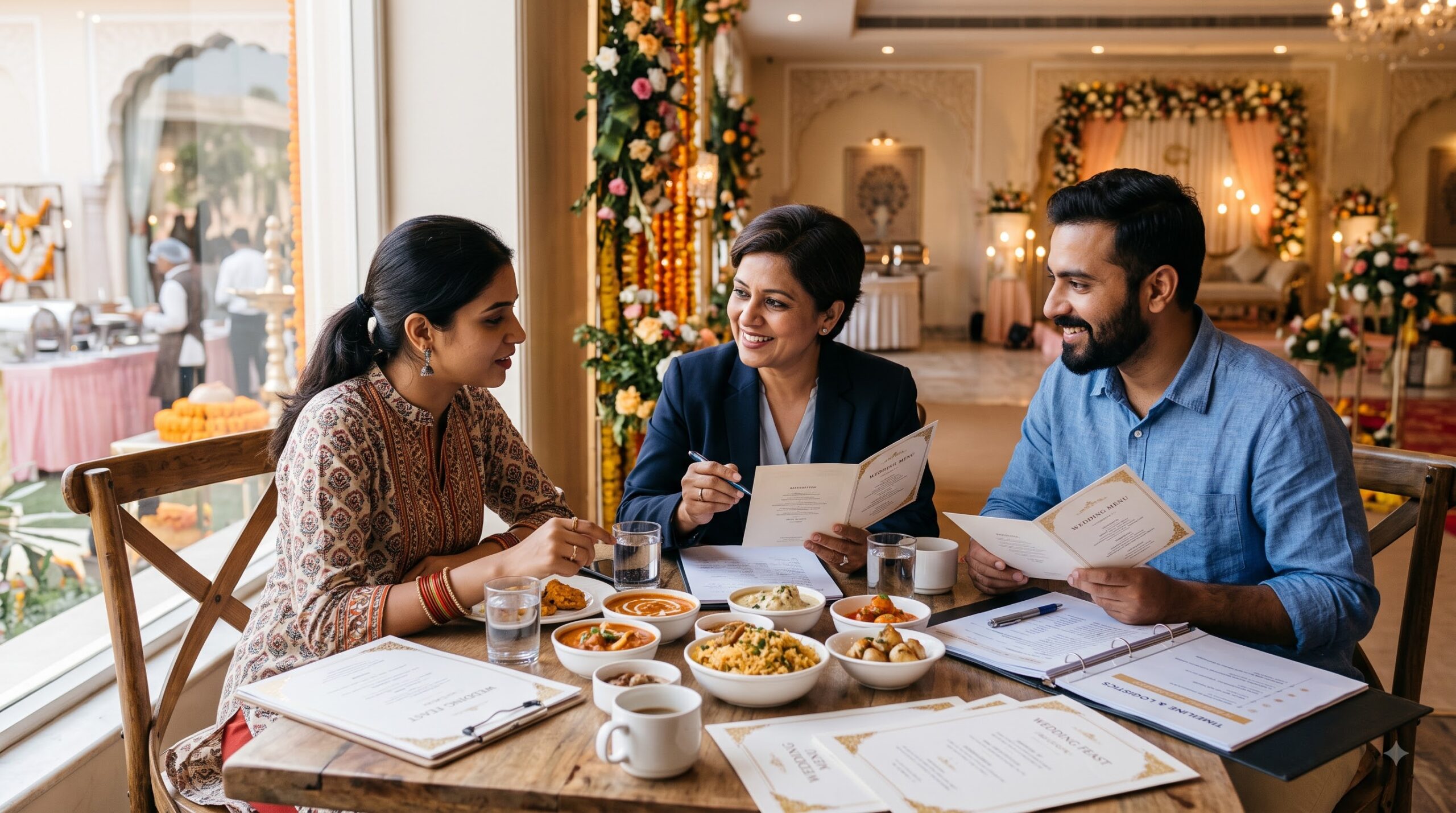
Occasionally, a client may request a change close to the event.
Perhaps a particular dish needs to be replaced. Perhaps additional vegetarian or dietary requirements emerge. Sometimes a family simply remembers one favourite dish that they forgot to include.
Not every request can or should be accommodated at the last minute. But an experienced catering team knows how to assess what is realistically possible without compromising the quality of the rest of the menu.
That distinction matters.
Saying yes to everything sounds helpful until it creates problems elsewhere.
Equipment and Power Issues
Large-scale catering depends on equipment, electricity, refrigeration, cooking vessels and service infrastructure.
A professional kitchen plans around these dependencies.
Critical equipment should be checked before the event. Cooking schedules should account for the available facilities at the venue. Teams should know what alternatives are available if something doesn’t work as expected.
Preparation is much cheaper than improvisation during service.
The Most Important Contingency: The Team
Plans are useful. People make them work.
When something unexpected happens, the catering team needs to know who is responsible for what.
One person may coordinate with the venue. Another may manage the kitchen. Someone else may monitor the service counters.
Clear responsibilities prevent five people from trying to solve the same problem while nobody handles the actual issue.
And perhaps most importantly, the team needs to remain calm.
Guests don’t need to know that something went wrong behind the scenes.
They simply need their meal to arrive as planned.
Why Experience Matters
There is a difference between knowing what should happen and knowing what to do when it doesn’t.
An experienced catering team has usually encountered enough real-world situations to recognise problems early.
They know when a dish needs to be replenished.
They know when service is moving too slowly.
They know when a transport delay could affect the next stage.
They know which problems require immediate action and which ones can simply be monitored.
That experience becomes invisible when everything goes smoothly.
And that is precisely the point.
The Thali Moments Approach
At Thali Moments, planning for the unexpected is part of delivering reliable catering services in Pune. Whether we are catering a Maharashtrian wedding, corporate event, family celebration or a large gathering, our teams plan around guest numbers, menu requirements, venue logistics, food movement and service timing before the event begins.
Our focus is on combining authentic Maharashtrian and Indian food with disciplined catering processes. We use fresh ingredients, avoid soda and harmful additives, and follow strict cleanliness and hygiene practices. Our medically certified and trained staff are prepared to manage large-scale service while maintaining the quality and consistency expected from every plate.
Because good catering isn’t about having a perfect event.
It’s about being prepared when the event isn’t perfect.
Also Read
Share On