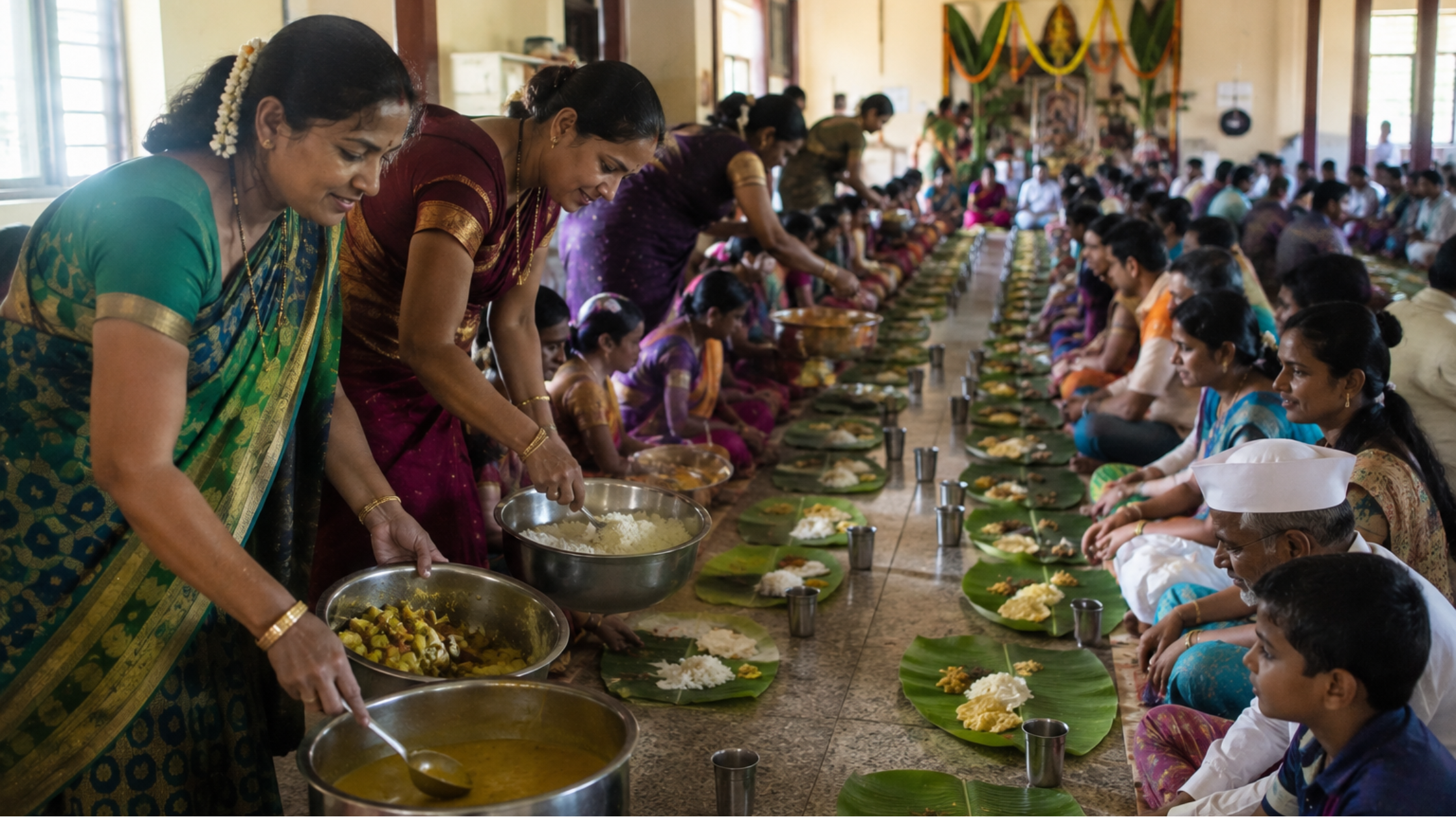
Diwali has a way of turning a small meal into a very large one.
What begins as “just a family get-together” can quickly become 50 guests, then 100, then a few hundred people. Add colleagues, business partners, neighbours, extended family and friends—and suddenly the kitchen has a spreadsheet.
For large Diwali gatherings, good food is important. But planning the food properly is what makes the celebration work.
From menu selection and quantity planning to preparation, service and hygiene, Diwali catering requires considerably more than simply deciding what dishes everyone likes.
Start With the Occasion, Not the Menu
The first question should not be, “What should we serve?”
It should be: What kind of Diwali gathering are we catering for?
A family Diwali lunch has different requirements from a corporate Diwali celebration. A traditional Lakshmi Puja followed by dinner has different expectations from an office Diwali party.
Guest profile, age groups, dietary preferences, venue, service format and timing all influence the menu.
Once these are clear, the menu becomes much easier to build.
Build a Menu That Feels Festive—Without Becoming Excessive
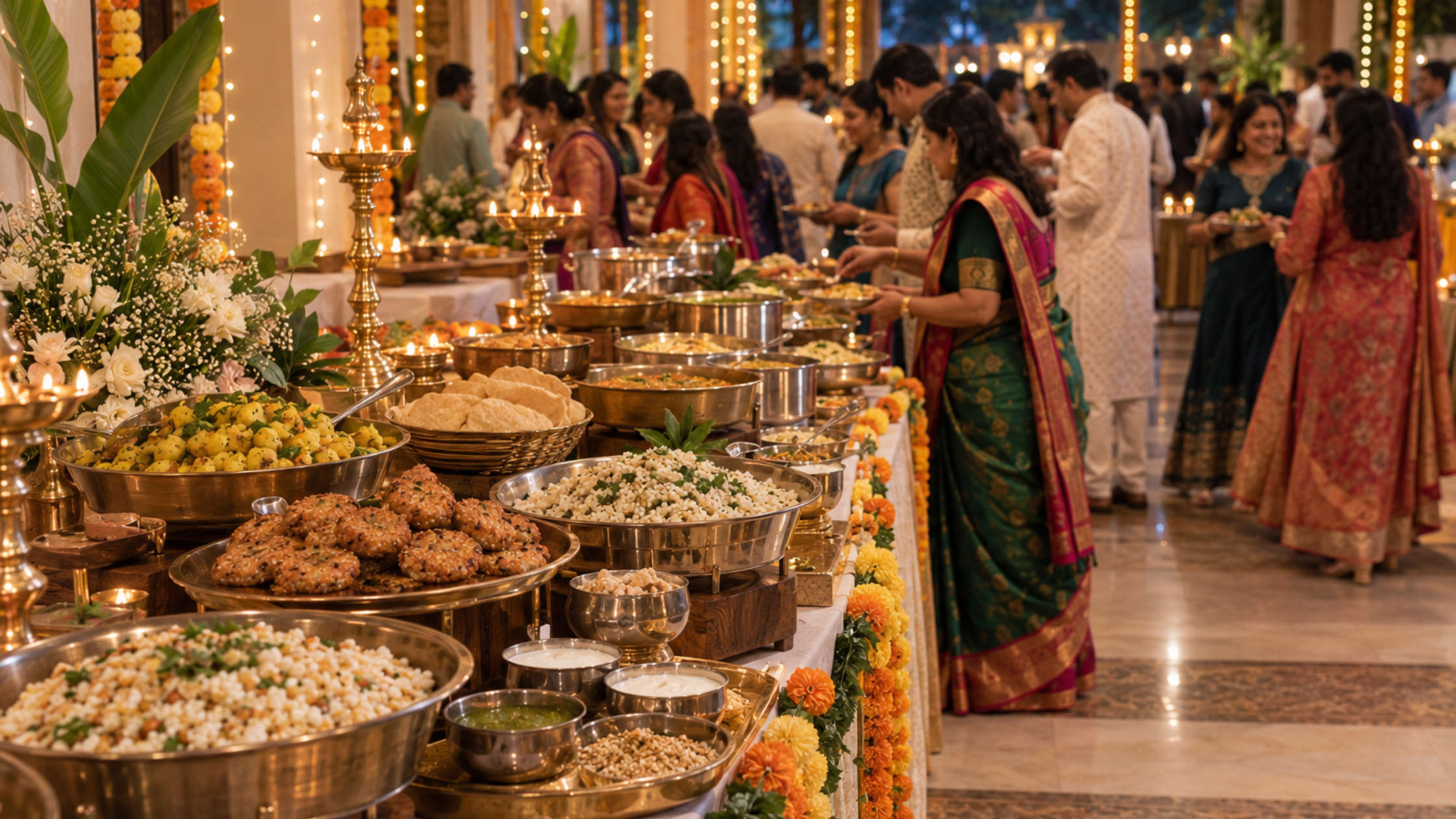
Diwali is one occasion where abundance is part of the experience.
But a large menu is not automatically a better menu.
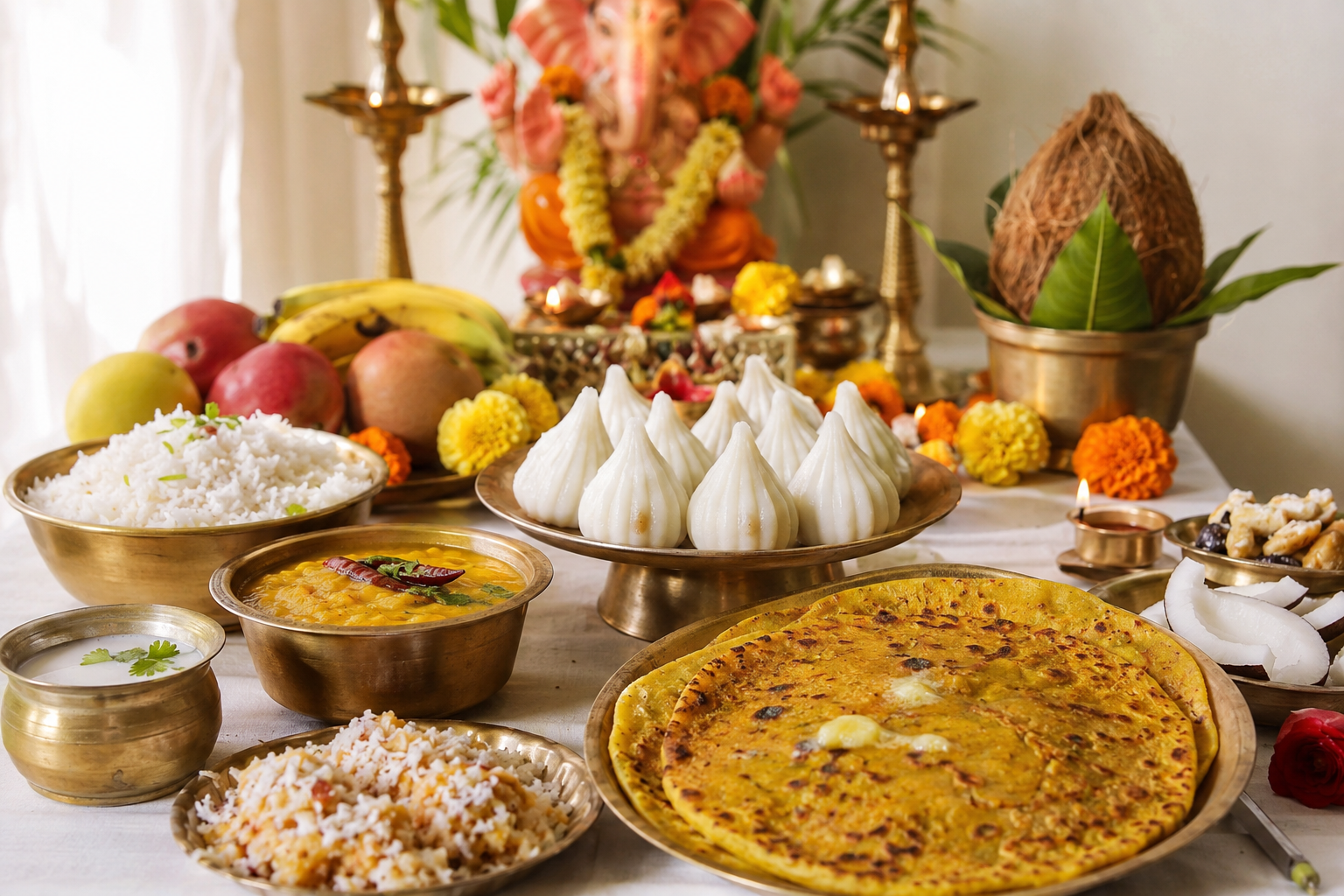
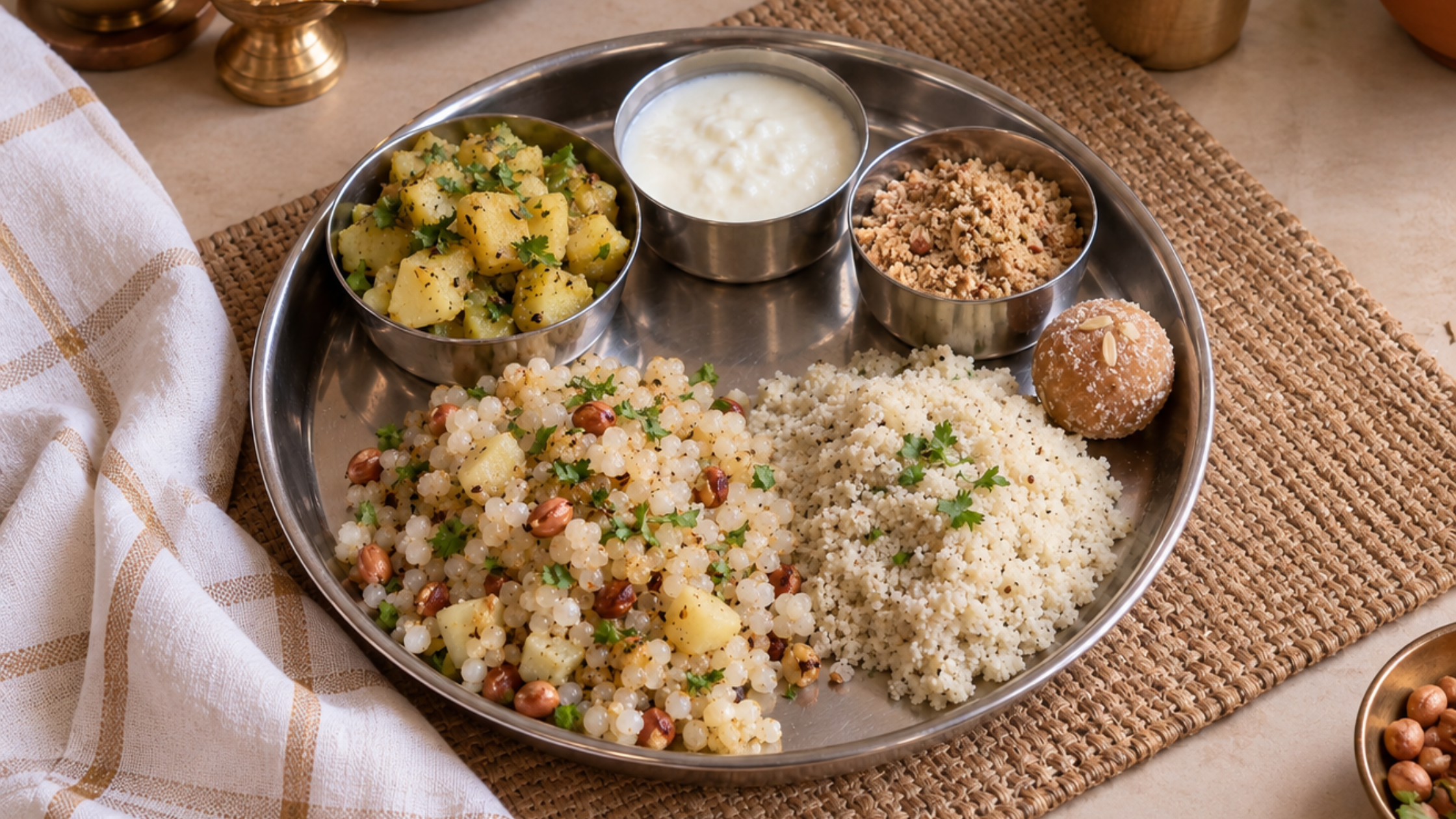
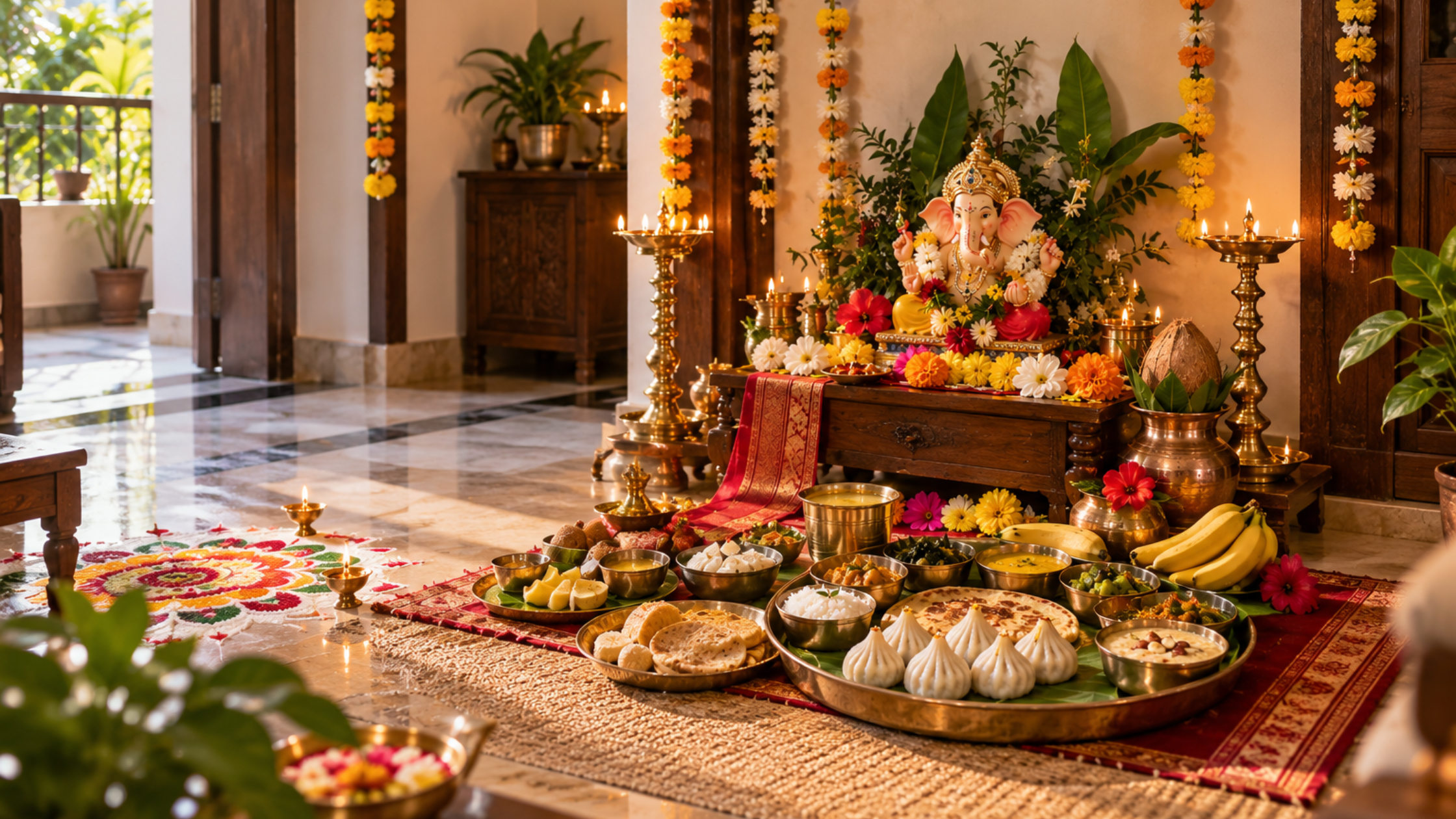
For a Maharashtrian-inspired Diwali gathering, the food could combine traditional favourites with practical catering choices. Depending on the event, this might include a welcome beverage, snacks, a main meal, accompaniments, sweets and festive specials.
The objective should be variety with balance.
If every dish is rich, fried or sweet, guests eventually run out of enthusiasm before they run out of food.
A good festive menu gives people contrasts in flavour, texture and richness.
Estimate Portions Carefully
This is one of the less glamorous—and most important—parts of catering.
For a large gathering, food requirements depend on factors such as:
- Number of confirmed guests
- Event duration
- Lunch, dinner or snack service
- Number of dishes
- Guest demographics
- Service style
- Whether other food is being served
A buffet for 200 people cannot simply be planned by multiplying a home recipe by 200.
Different dishes are consumed at different rates. Some are universally popular; others are supporting items.
Experienced catering teams therefore plan quantities dish by dish rather than treating every menu item equally.
Timing Is Half the Meal
Diwali events often involve multiple activities: puja, speeches, performances, networking, games and family rituals.
The catering timeline needs to fit around them.
Food prepared too early may lose quality. Food prepared too late creates service delays.
Large-scale kitchens therefore work backwards from the planned service time.
Ingredients are prepared in stages, cooking is sequenced according to holding characteristics, and the final finishing of dishes is coordinated so that food reaches the serving area at the right moment.
It is not particularly dramatic.
It is also why the buffet opens on time.
Hygiene Becomes More Important as the Guest Count Grows
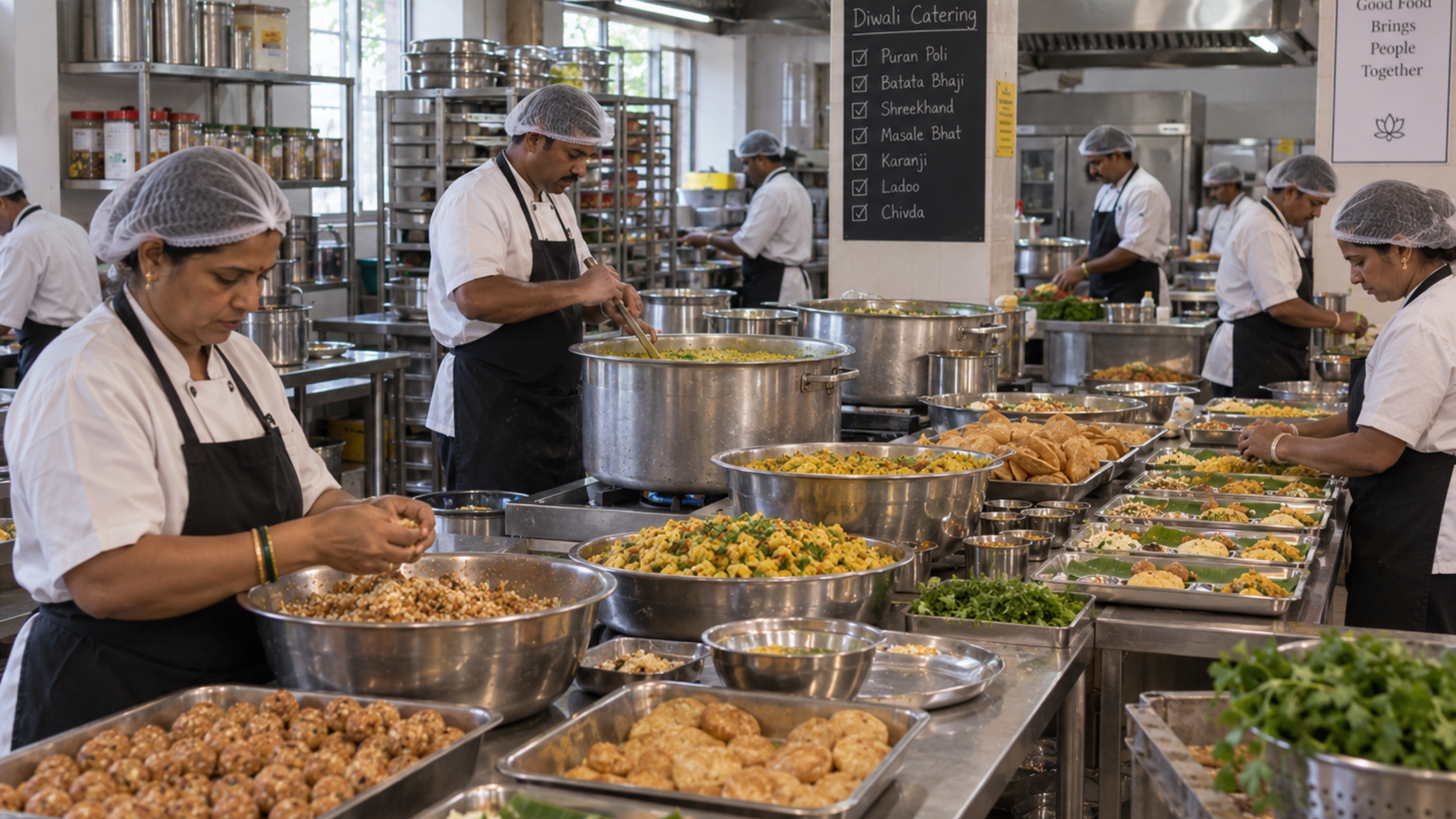
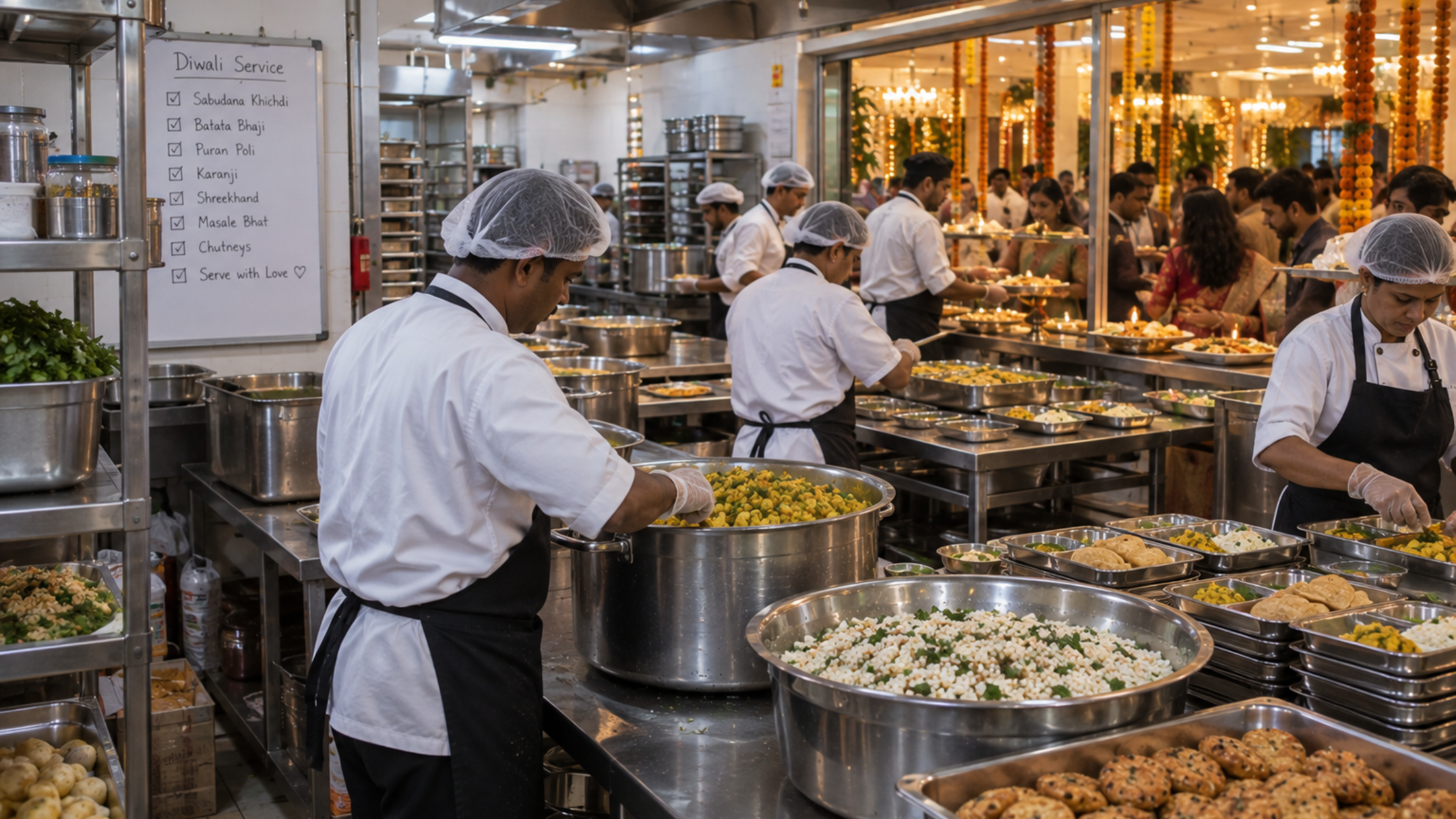
Cooking for 20 people and cooking for 200 people are very different operationally.
With larger volumes, food handling, storage temperatures, equipment cleanliness, staff hygiene and cross-contamination controls become increasingly important.
A professional catering setup should have clearly defined hygiene practices throughout preparation and service.
This is especially important during Diwali, when kitchens can be working at full capacity and multiple dishes may be prepared simultaneously.
At Thali Moments, safe and pure cooking, strict hygiene protocols and medically certified staff are part of the operating approach—not something added to the menu description at the last minute.
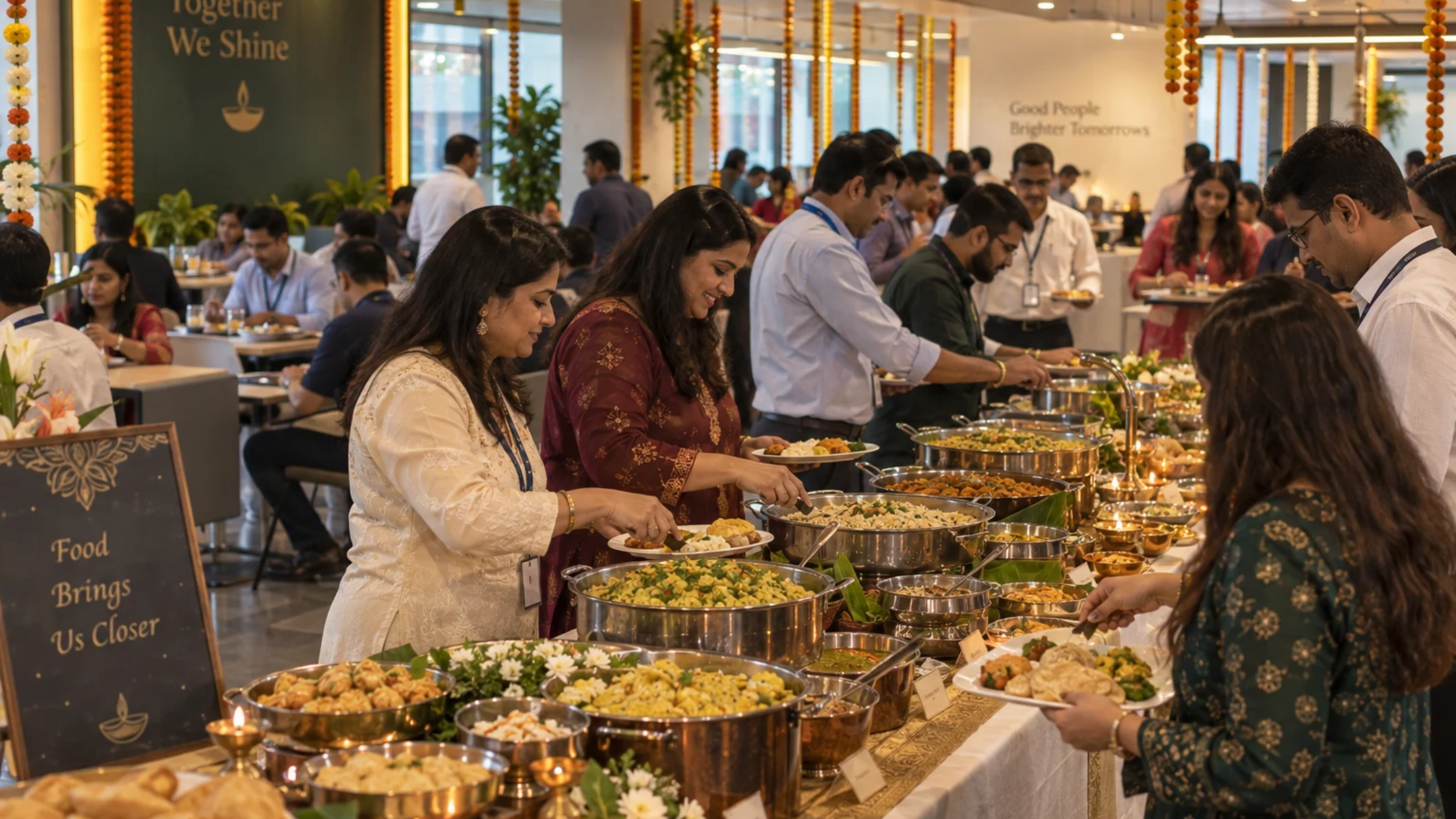
Corporate Diwali Catering Needs a Different Approach
Corporate Diwali celebrations bring another set of considerations.
Employees may have limited lunch or event windows. Senior leadership, clients and external guests may also be present.
That means service needs to be efficient without feeling rushed.
The menu should be festive but broadly accessible. Food should be easy to serve, easy to eat and appropriate for the setting.
And perhaps most importantly, the caterer needs to understand that reliability is part of the experience.
A beautiful Diwali menu that arrives late is not quite the festive miracle anyone ordered.
Don't Forget the Small Details
Large events are often remembered through small details.
Clearly labelled dishes can help guests navigate the buffet. Separate arrangements for specific dietary requirements can prevent confusion. Adequate serving equipment keeps queues moving.
Even the placement of the buffet matters.
Drinks, starters, mains, accompaniments and desserts should be positioned in a way that allows people to move comfortably rather than creating one giant human traffic jam.
For very large gatherings, separate serving points may also make sense.
Choose a Catering Partner Who Can Scale
The biggest question when planning Diwali catering is not simply whether a caterer can cook good food.
It is whether they can consistently deliver good food at the required scale.
Ask about previous large events, menu customization, staff strength, food safety practices, serving arrangements, delivery timelines and contingency planning.
For corporate events, also clarify billing, headcount adjustments and coordination requirements in advance.
The smoother these details are handled before the event, the less likely they are to become problems during it.
Let the Kitchen Do Its Job
A successful Diwali gathering should feel effortless to the guests.
They should notice the food, the celebration and the people around them—not the logistics happening behind the scenes.
That is ultimately what good catering does.
It takes the complexity of planning, preparation, quantity management, hygiene and service and turns it into something much simpler for the host: a table full of food and a room full of people enjoying it.
For Maharashtrian celebrations in Pune, that balance between traditional food and dependable execution is at the heart of what Thali Moments brings to festive and large-scale catering.\
The Thali Moments Way
At Thali Moments, we see festival catering as an opportunity to bring the warmth of the Maharashtrian home kitchen to larger gatherings. From Ganpati and Gauri celebrations to Diwali gatherings, community events, corporate celebrations and family functions, we create menus inspired by the flavours and traditions that make festive food special.
We prepare authentic Maharashtrian and Indian food using fresh ingredients and traditional recipes, with a focus on hygiene, consistency and timely service. Our trained and medically certified staff follow strict cleanliness practices, while our cooking avoids soda and harmful additives.
From a carefully prepared festive meal at home to food served for a large community gathering, the intention remains the same:
Food should bring people together.
And perhaps that is the real journey from naivedya to prasad. What begins as an offering ultimately becomes something everyone can share.
Also Read
Share On